Redemption in real time: A week inside Parchman Prison
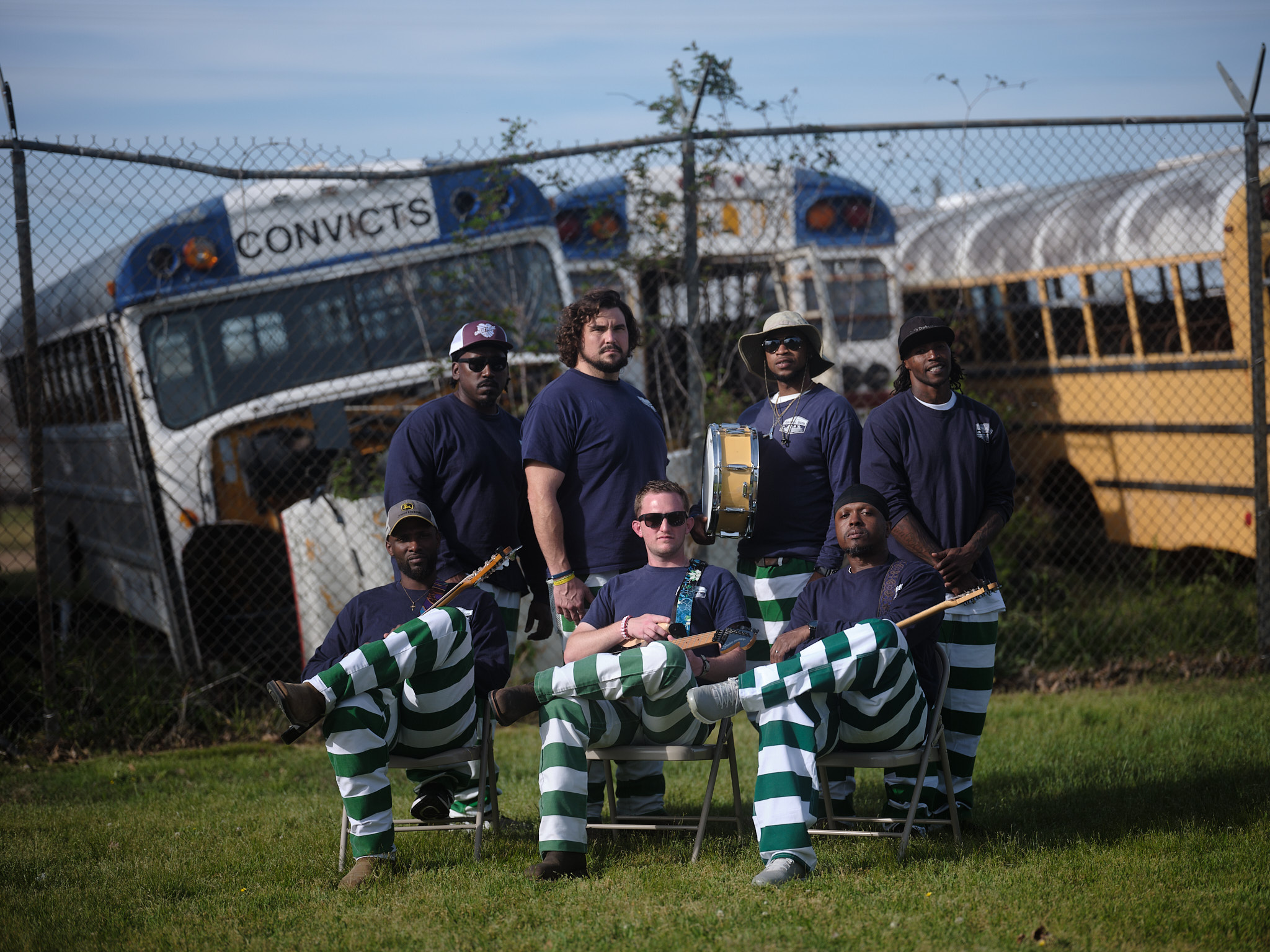
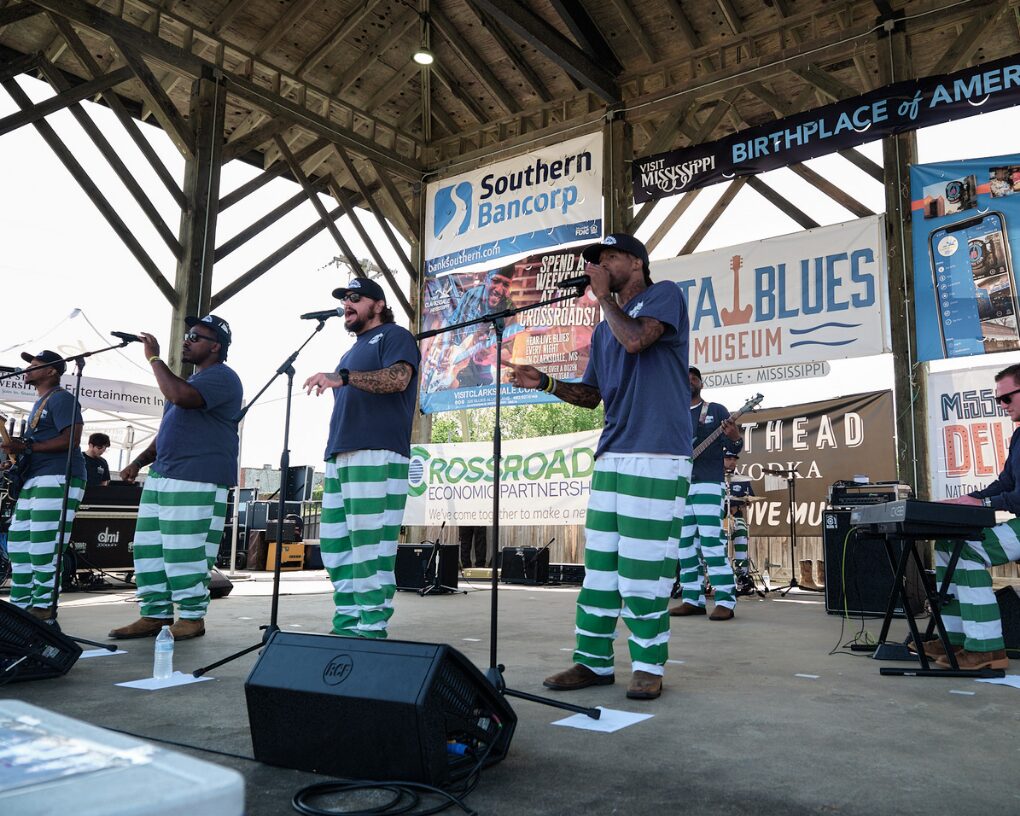
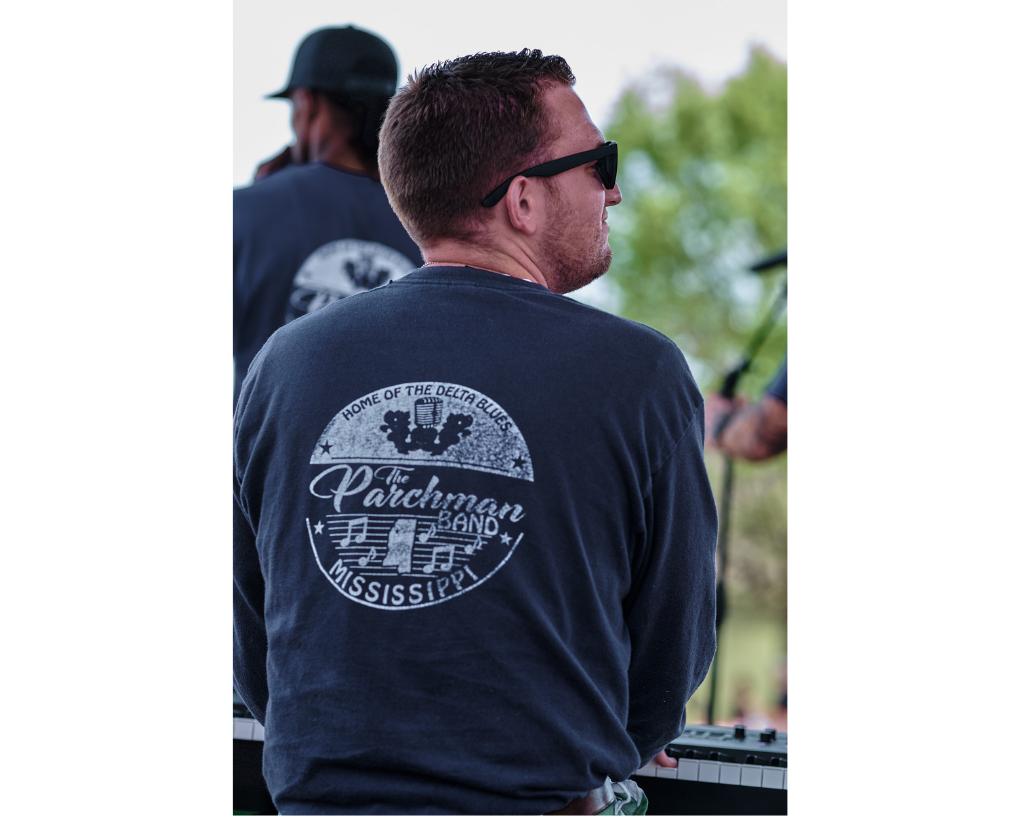
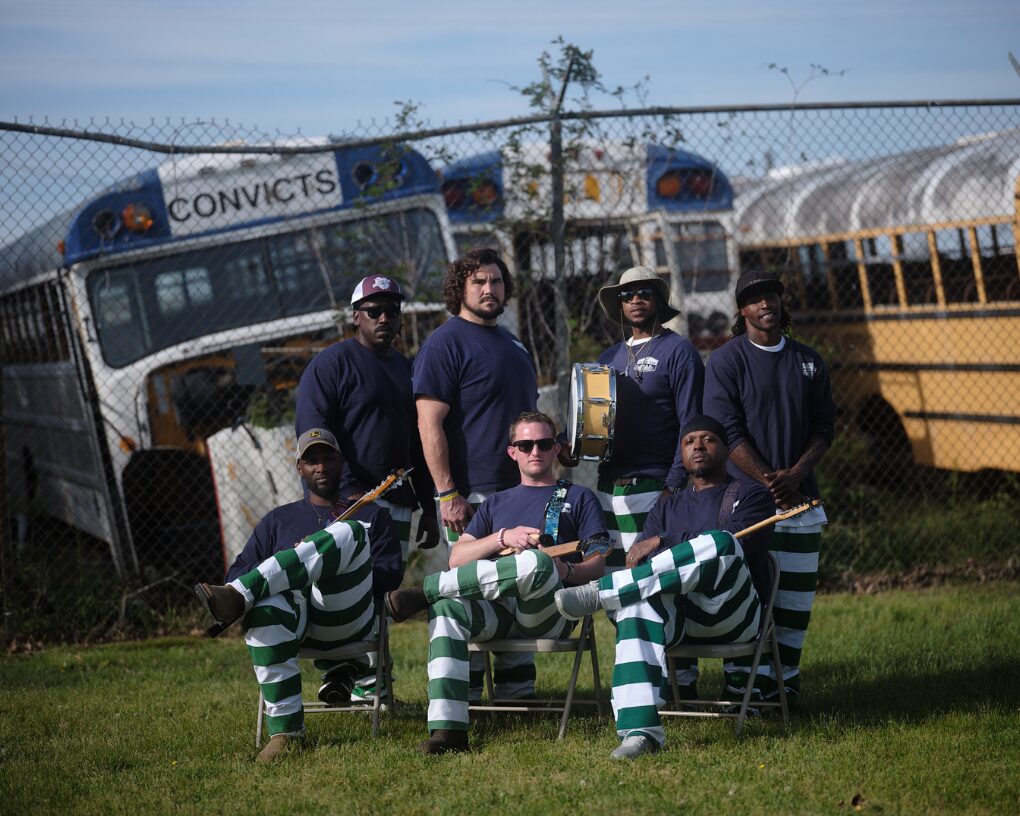
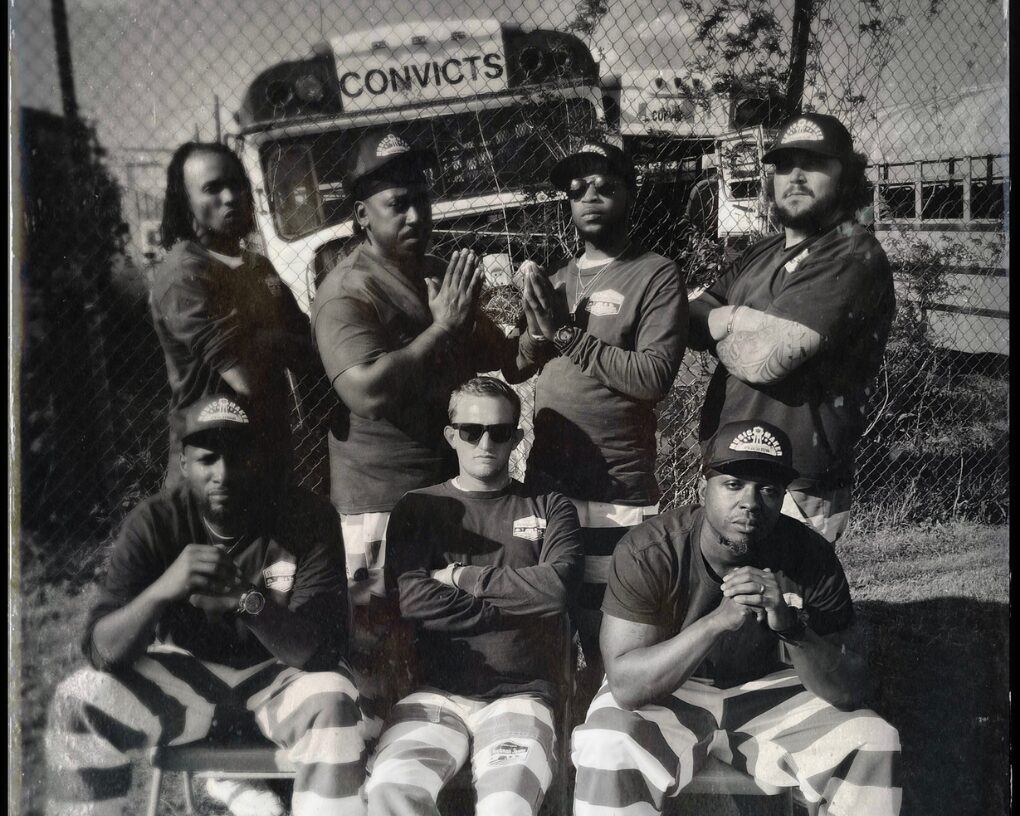
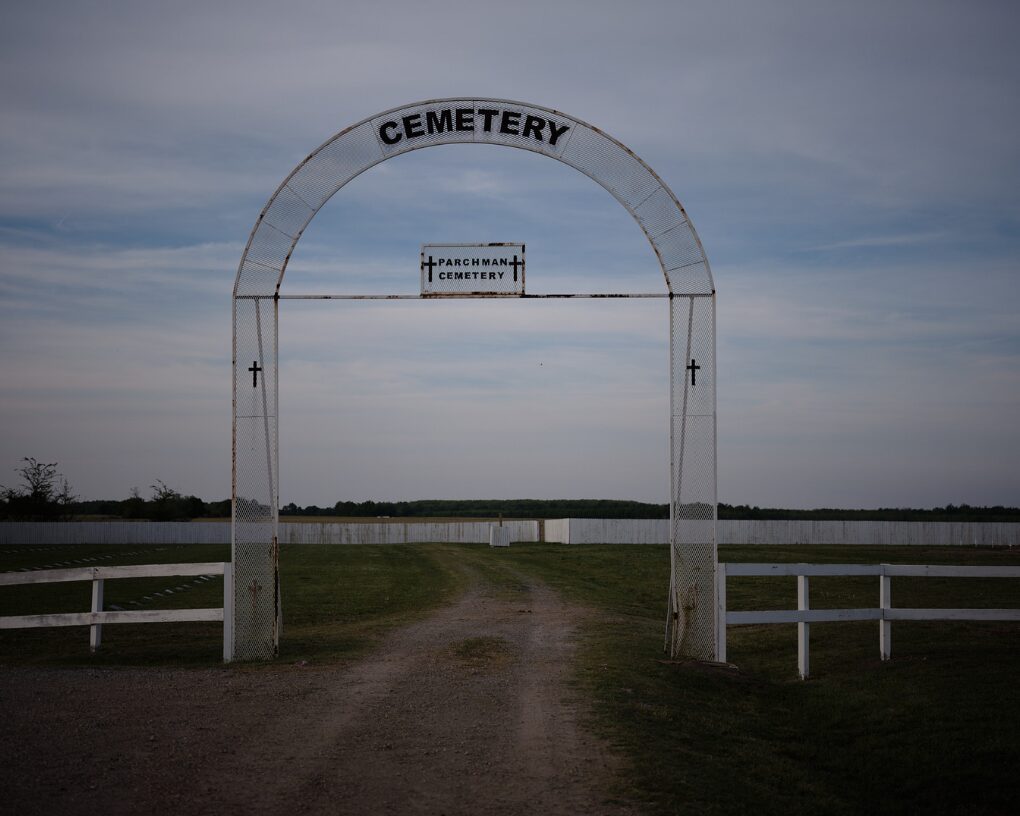
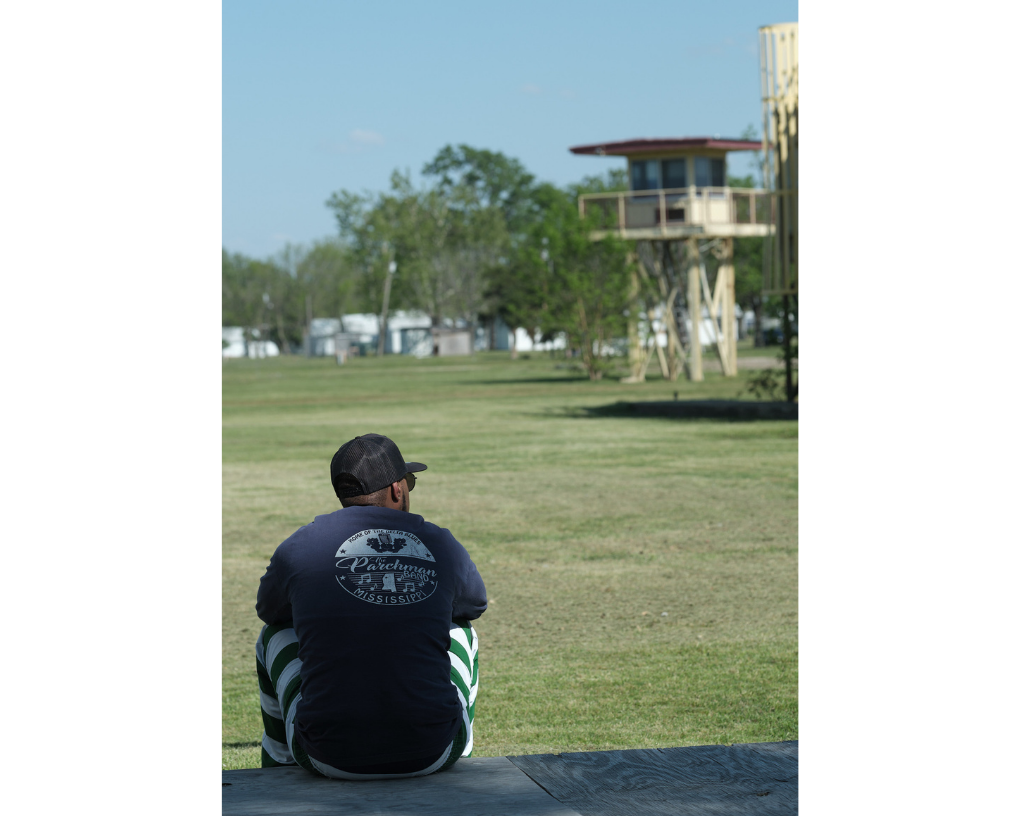
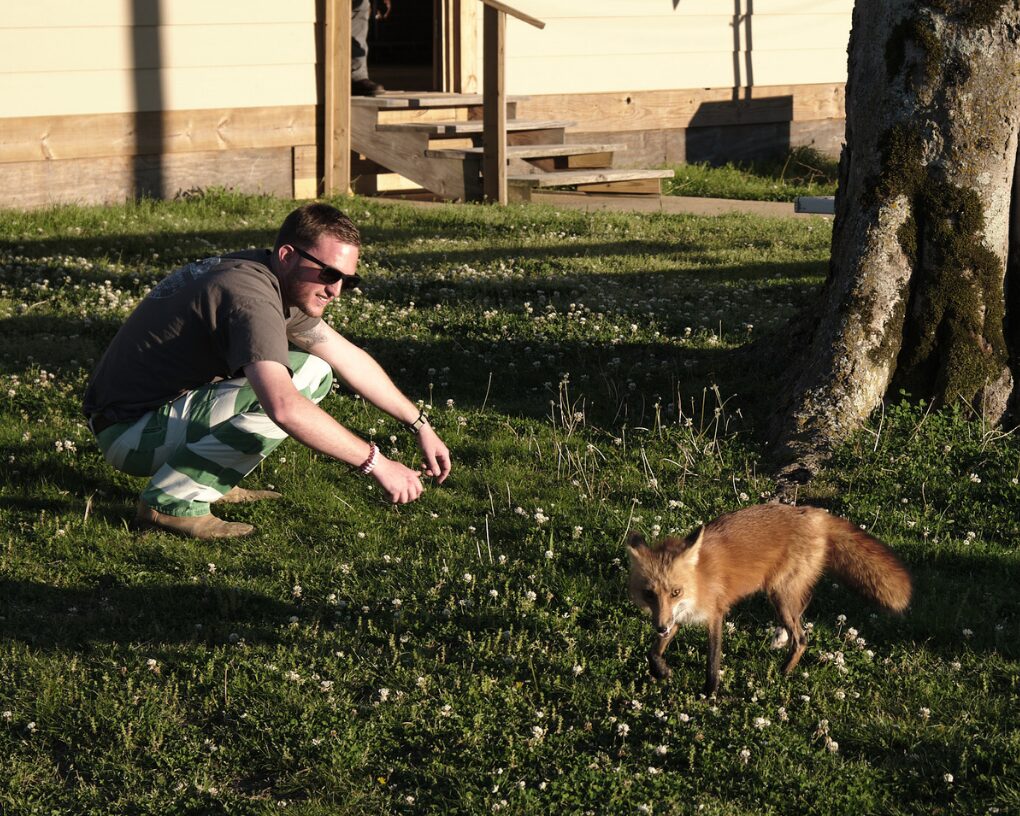
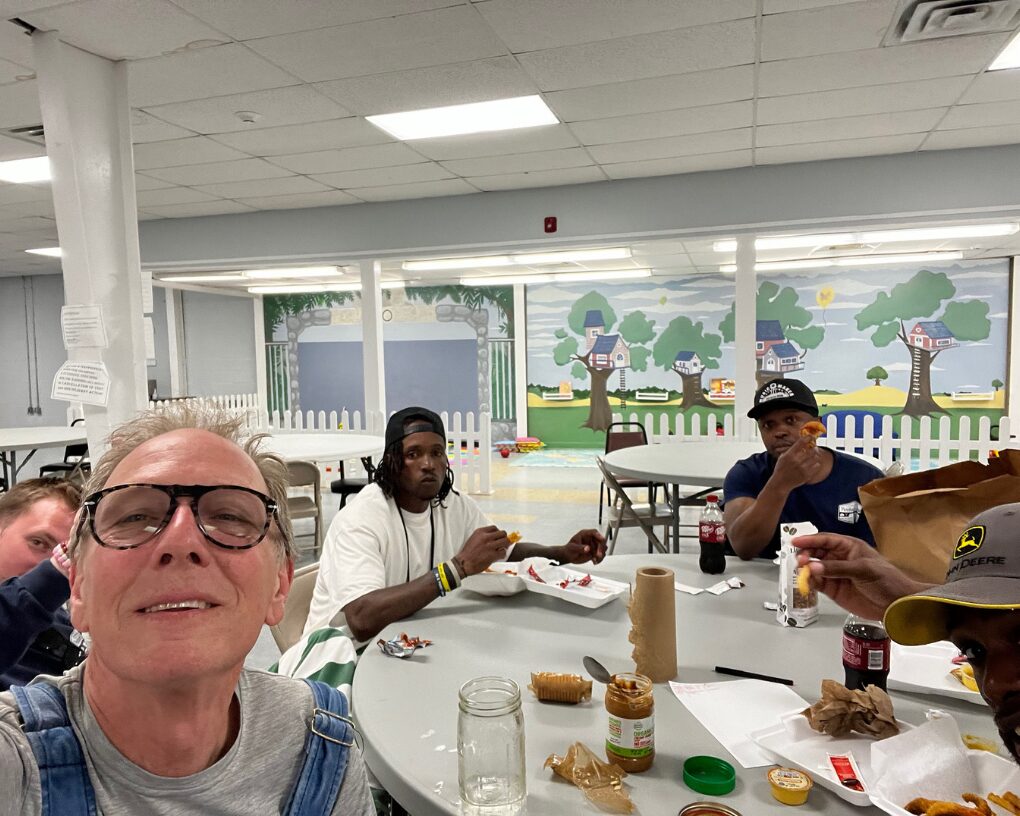
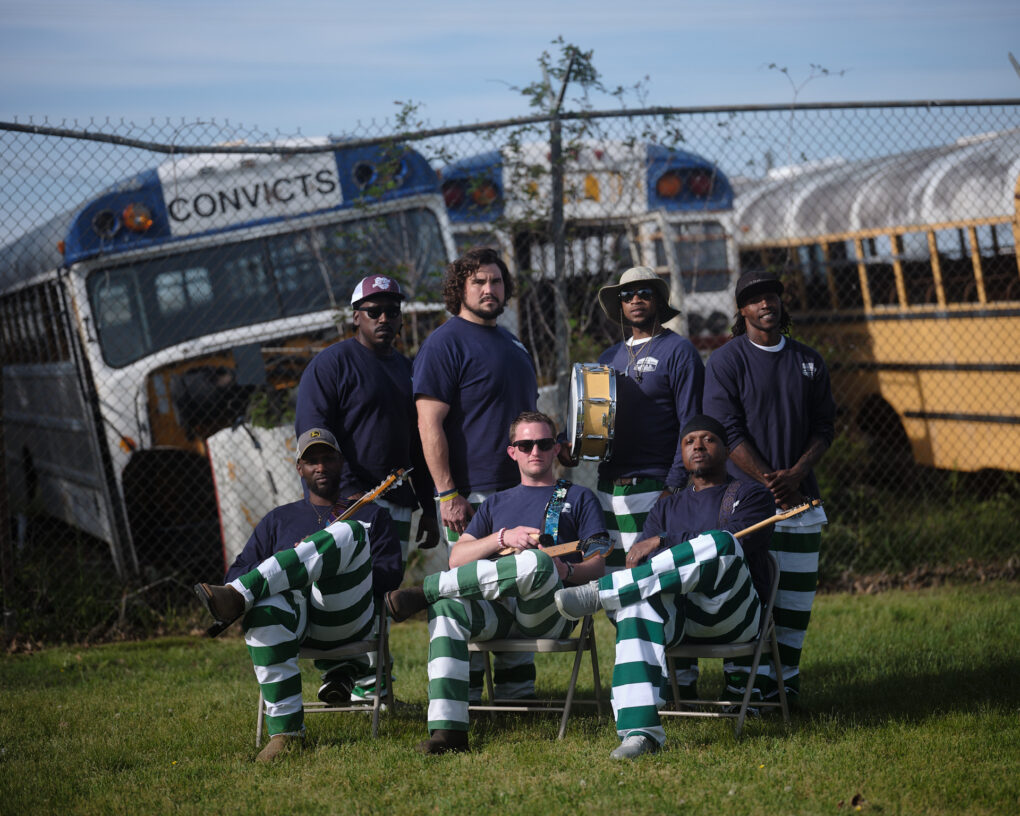
Music Maker co-founder and Executive Director Tim Duffy recently made a historic trip to Mississippi State Penitentiary (better known as Parchman Farm, or simply Parchman) to spend time with the Parchman Band, the prison’s newly-revived blues group. Over the course of a week, Tim worked with the band and superintendent Marc McClure to take portraits of the men for their upcoming debut album and songbook, which will be released next year. He also traveled with them to nearby Clarksdale, where the band performed at Juke Joint Festival.
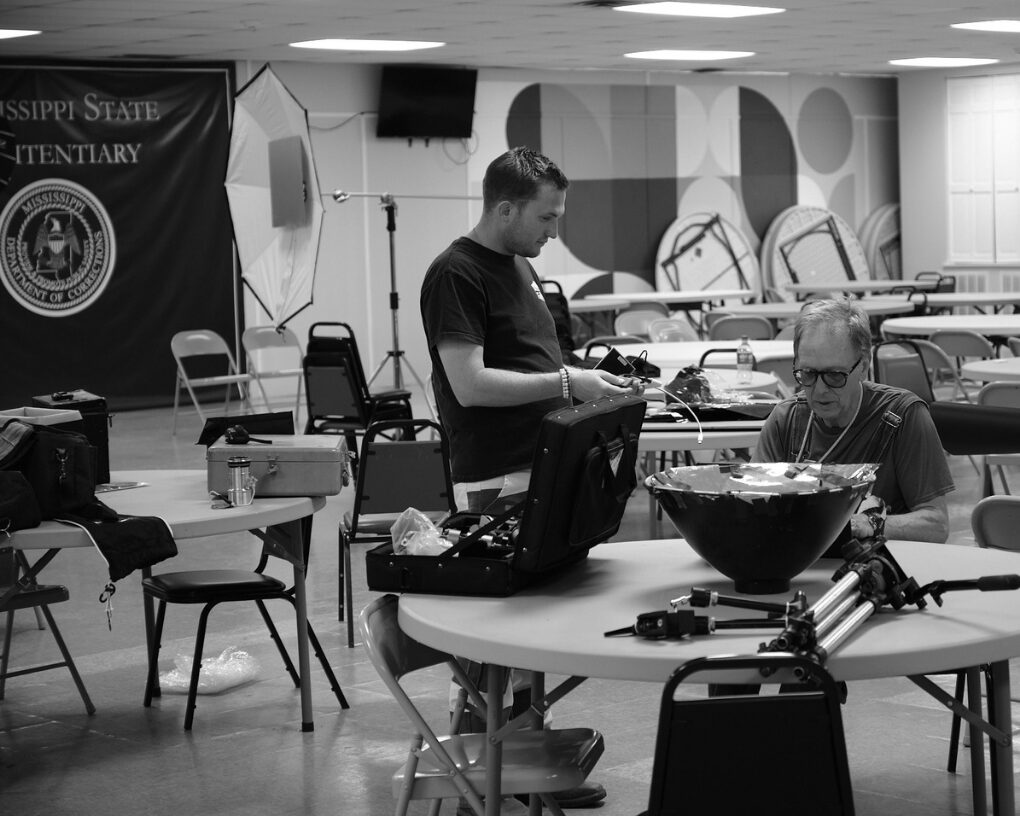
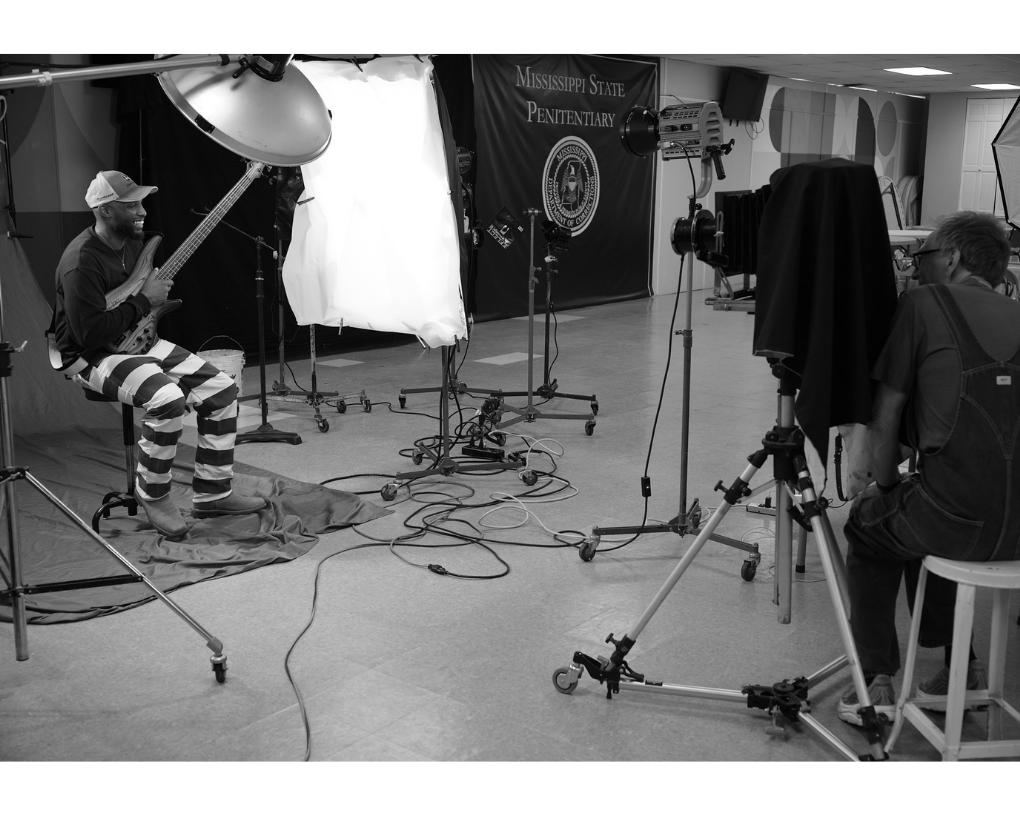
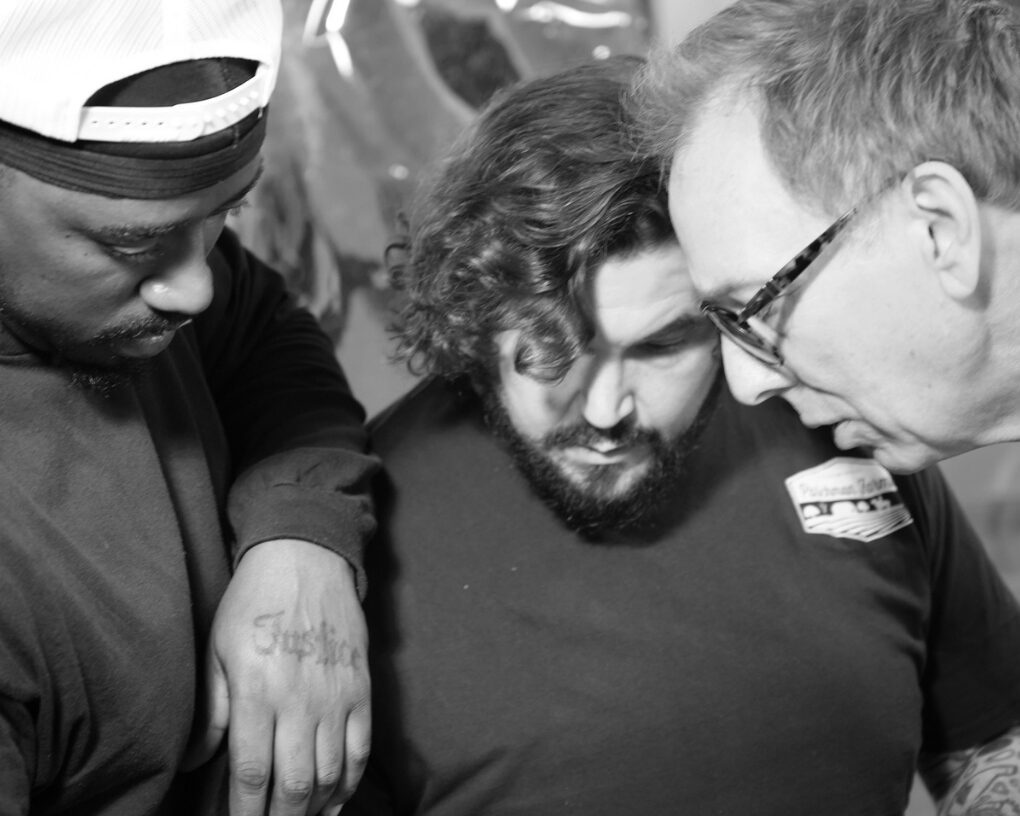
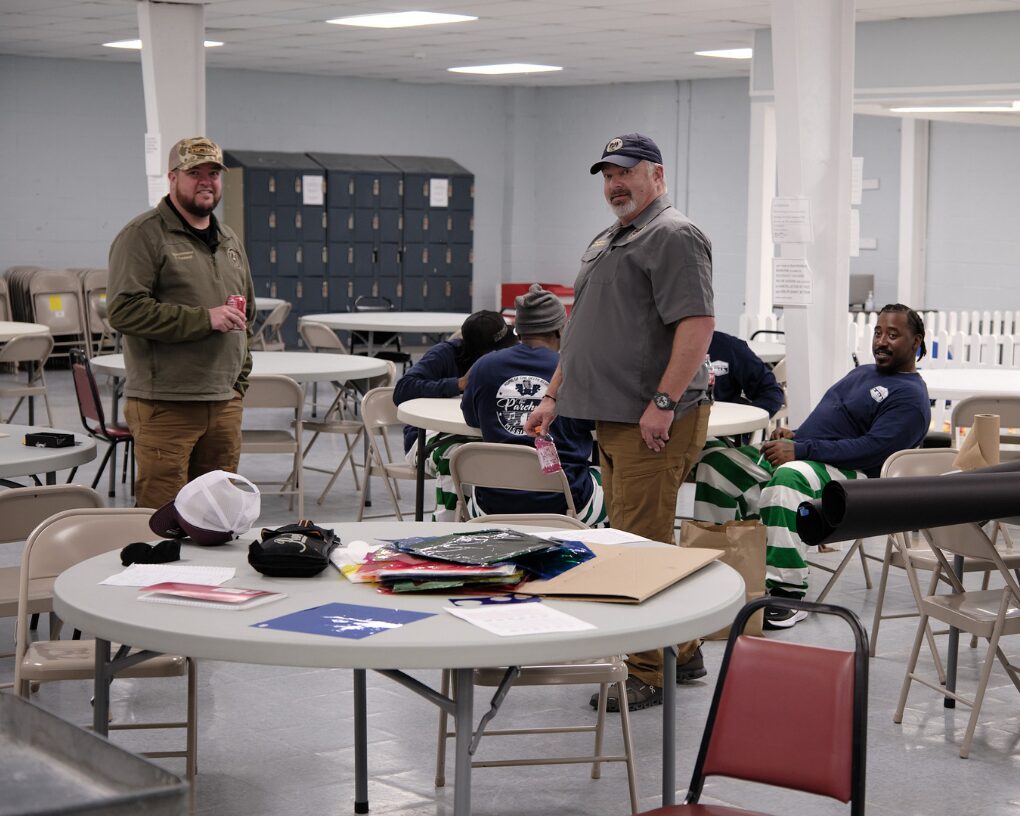
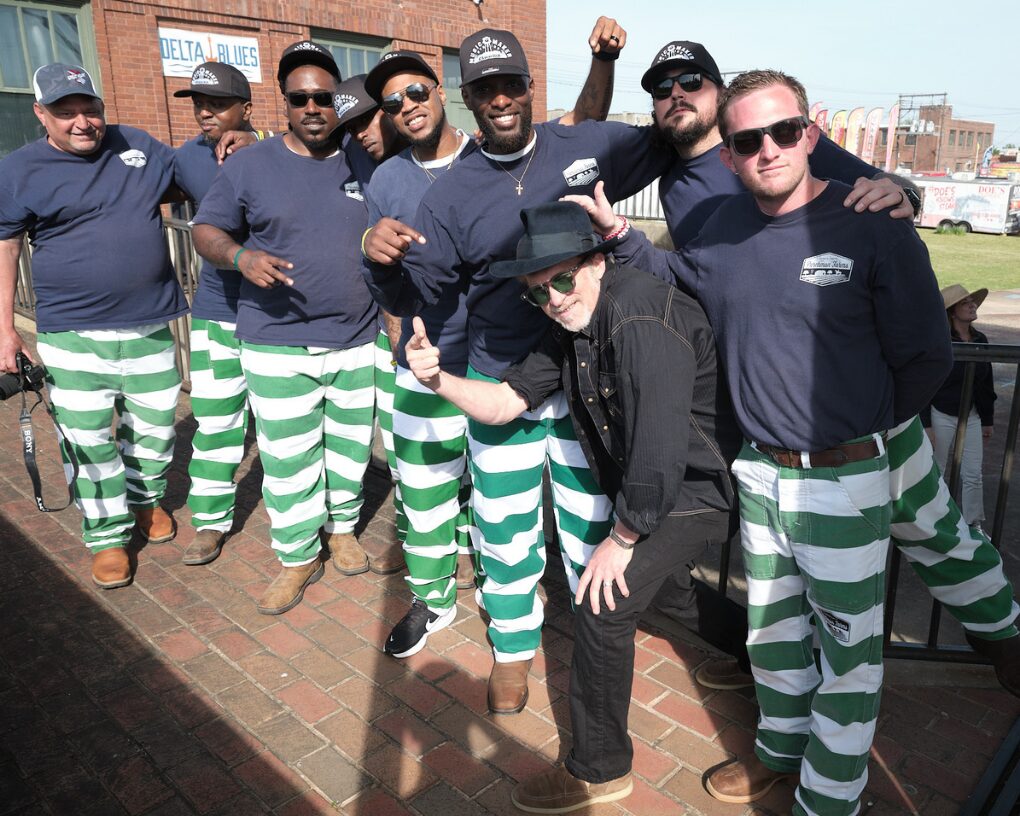
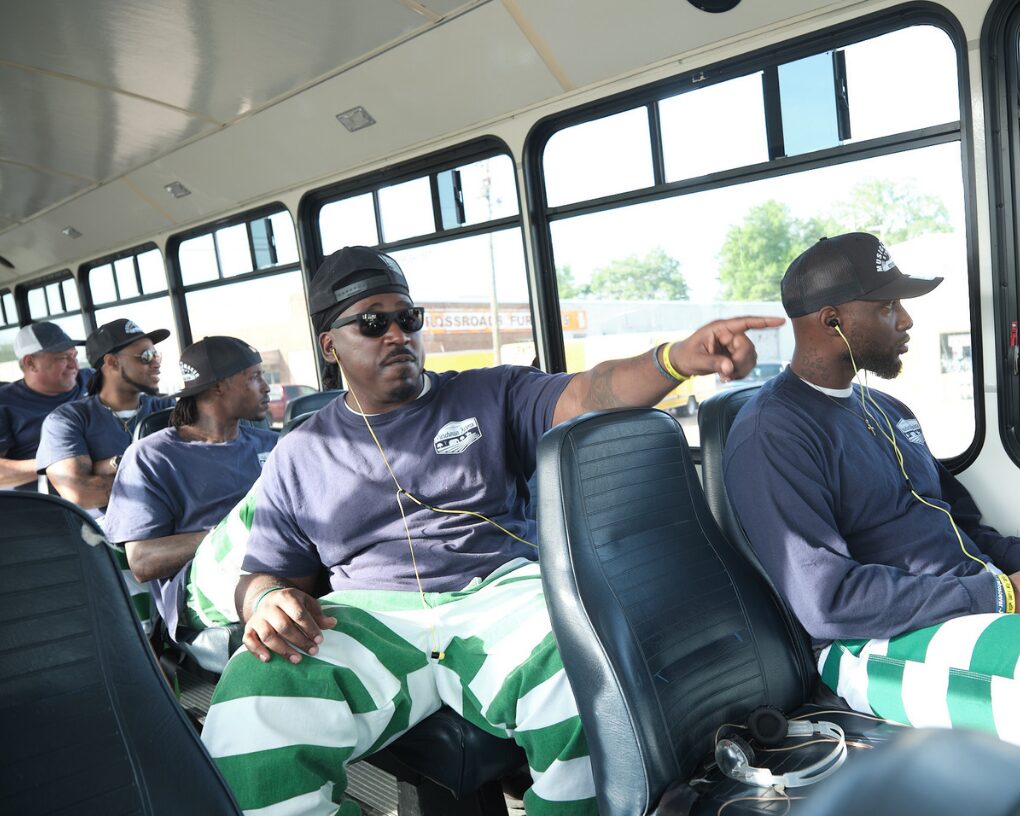
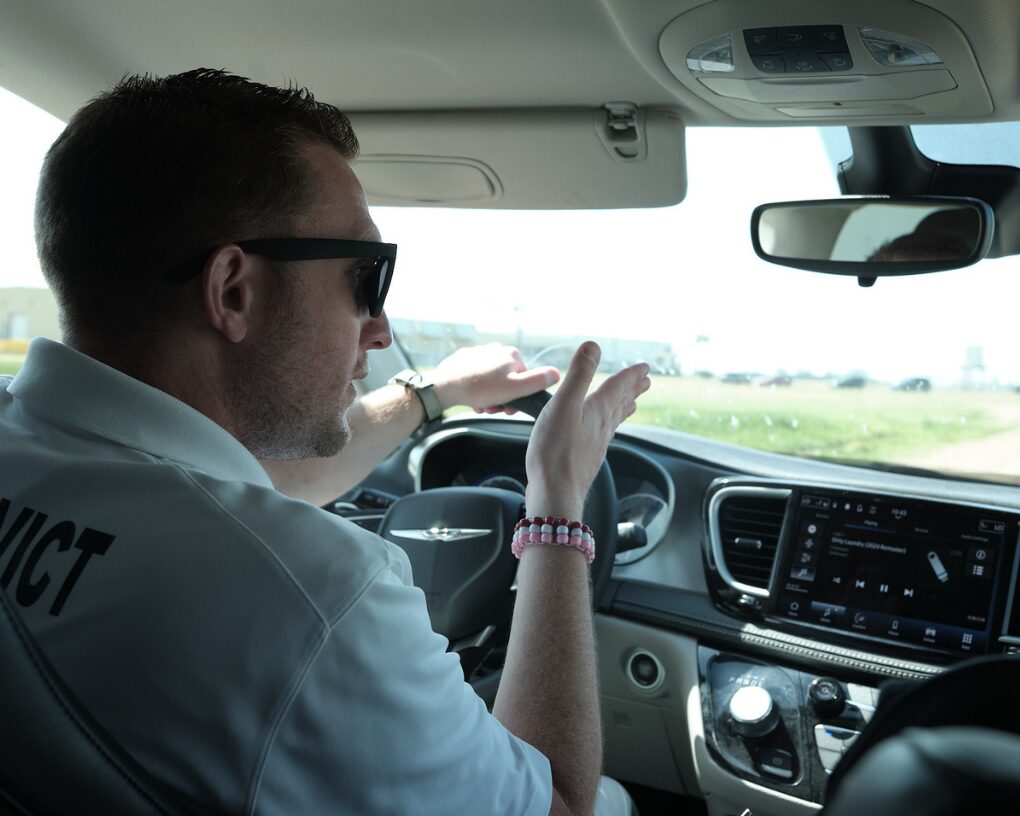
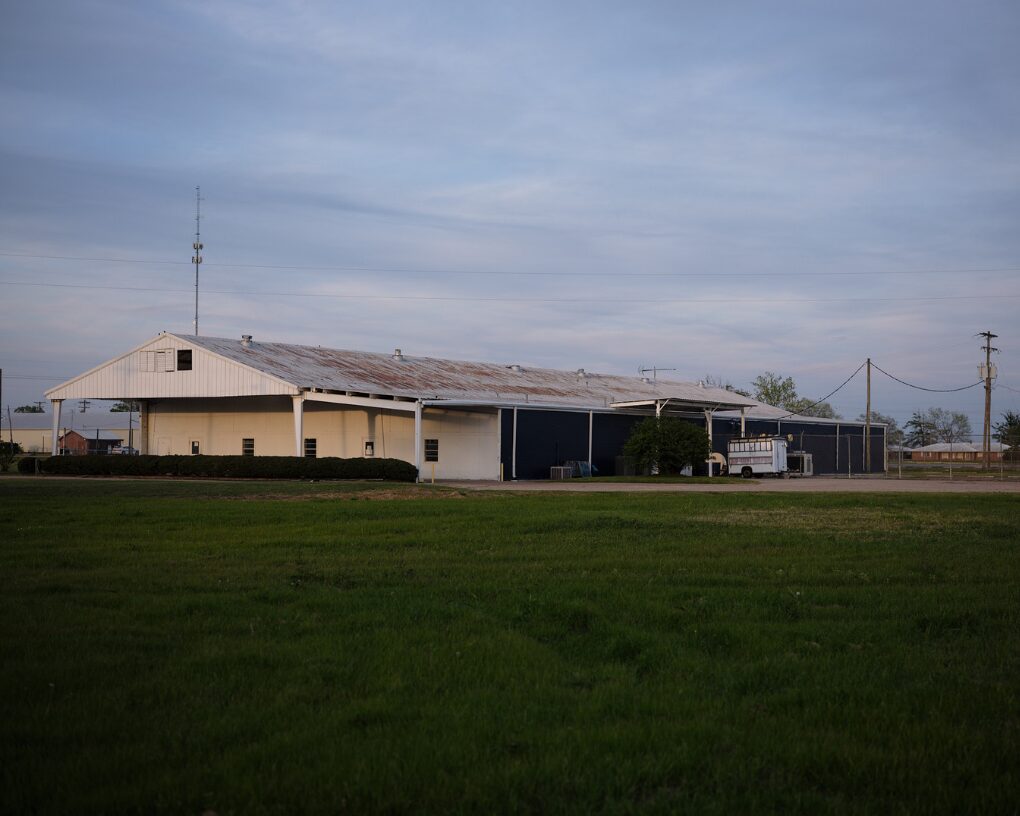
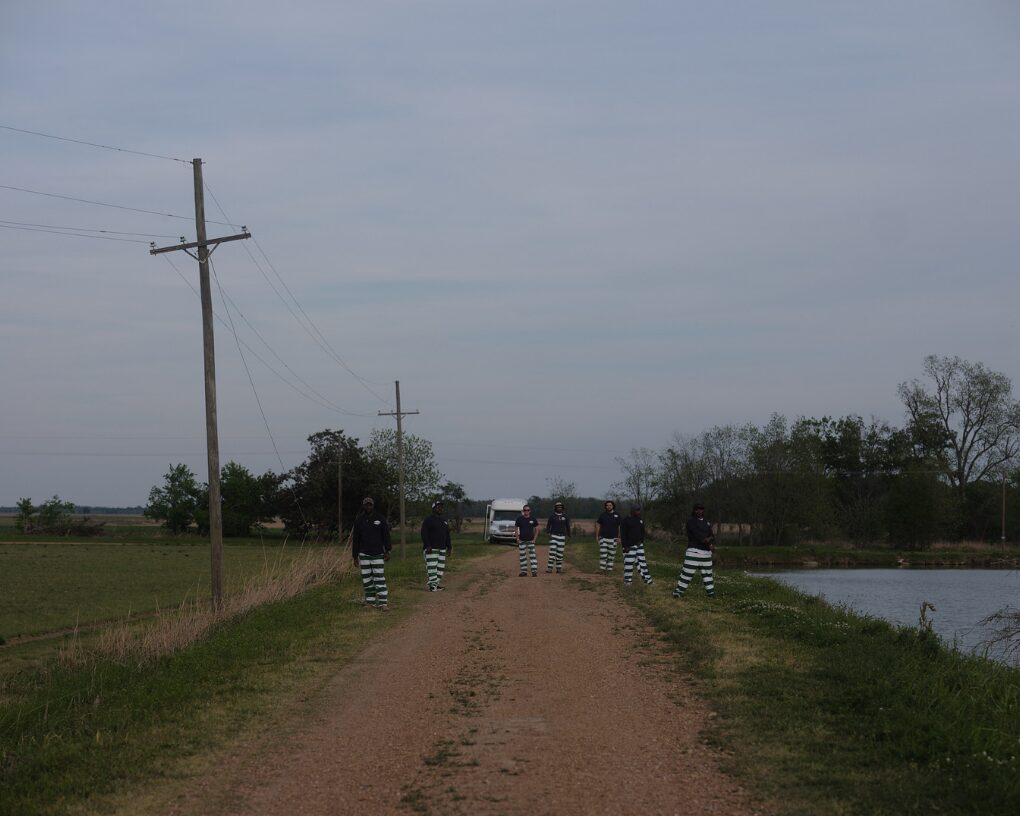
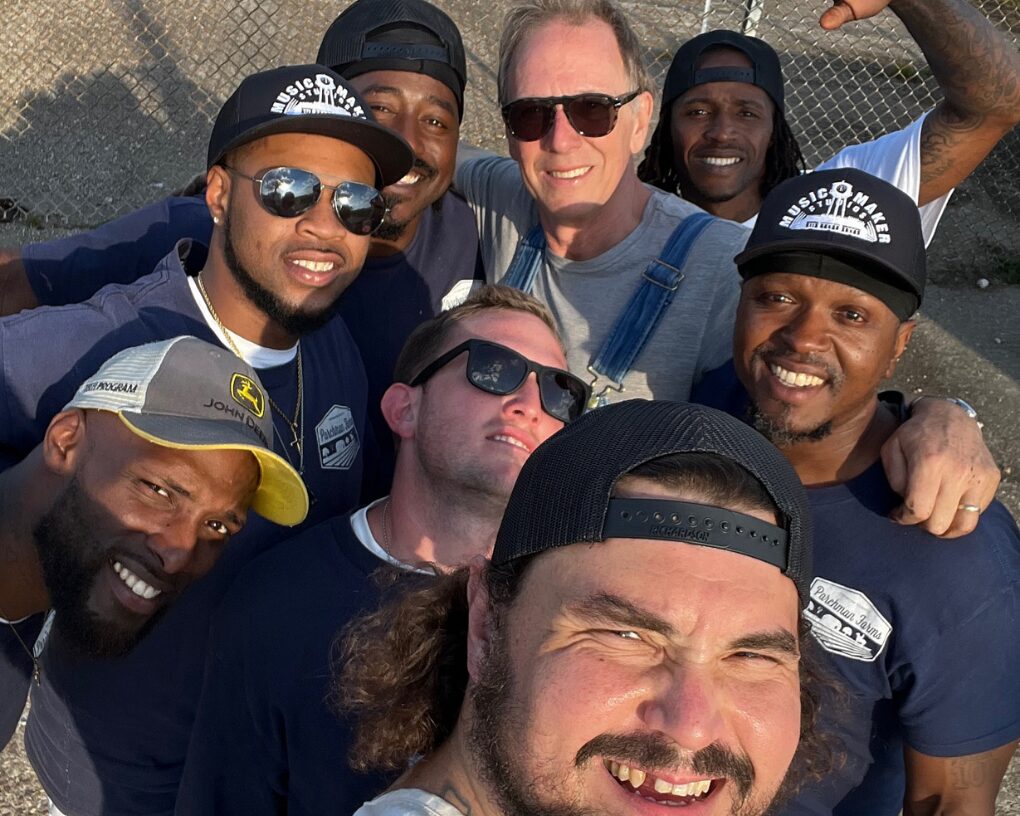
The images that accompany this story include photos taken by Parchman Band member Houston Jones during Tim’s visit – the artist documenting the documenter.
I first traveled to Parchman in early March with Music Maker Foundation board member David Jones, expecting to learn more about the prison’s musical legacy. What I did not expect was to witness one of the most hopeful places in the United States today.
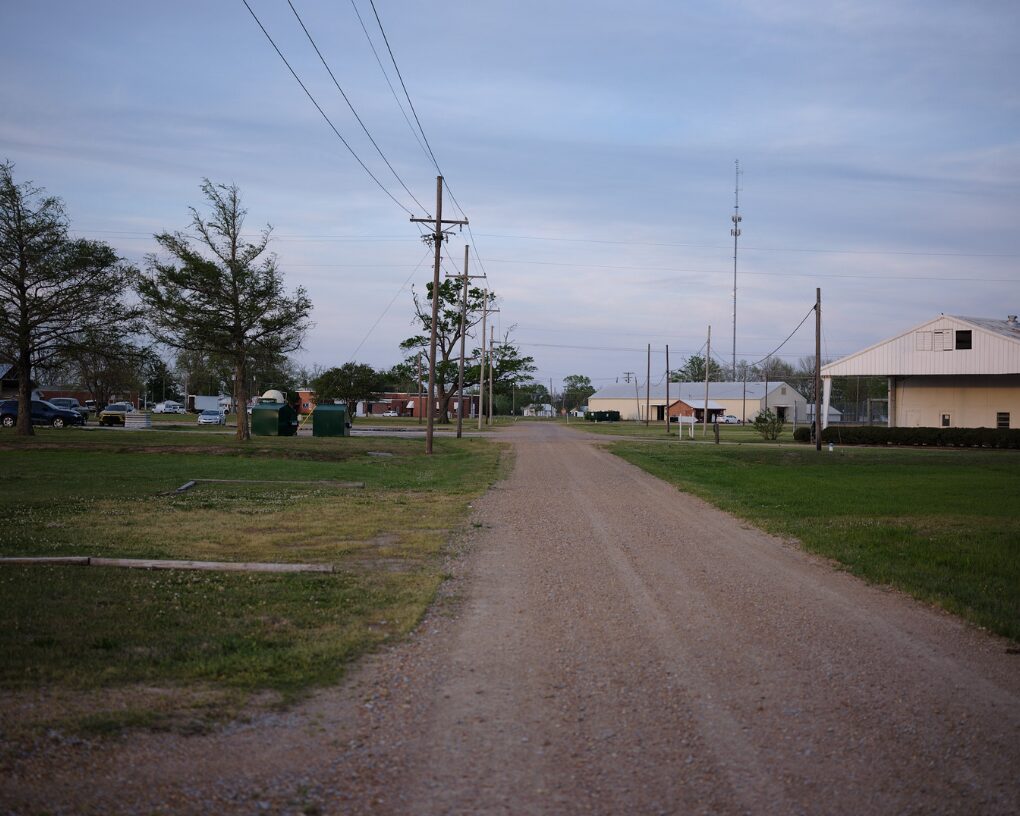
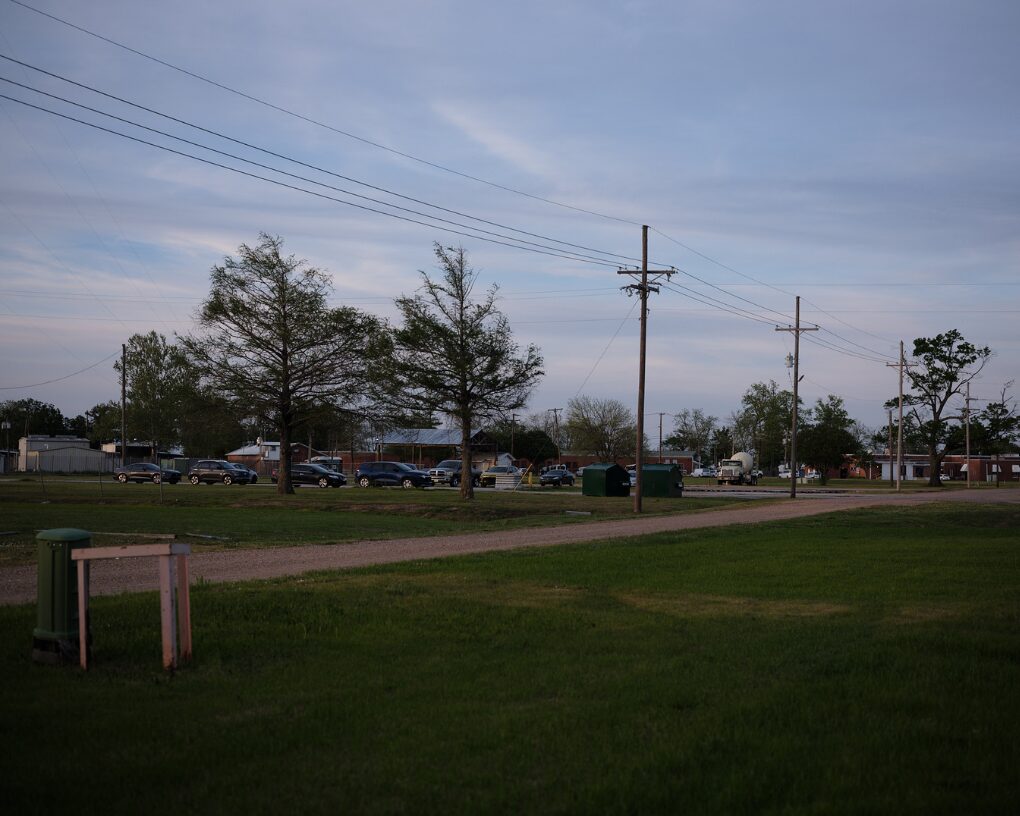
Thanks to the generosity of Superintendent Marc McClure and his wife, Lee Ann, we were given a full day to see the remarkable transformation underway at this once-notorious institution. As Marc walked us through the grounds, it became clear that Parchman is no longer defined by its past. Instead, it is becoming a model for what prison reform can look like when dignity, faith, and purpose are placed at the center. David and I left that day deeply moved, convinced we had seen something rare and urgently needed in America.
A new chapter in Parchman’s musical story
Our visit coincided with the recording of the new Parchman Band’s debut album, a project made possible through our partnership with the Parchman Community and Culture Foundation. The group was to embark on two intense days of tracking with producer Jimbo Mathus at Dial Back Sound, a recording studio an hour away in Water Valley. The result is a raw, emotional collection of all-original material, now being prepared for release in 2027.
Use the next/previous buttons to view a series of images and captions.
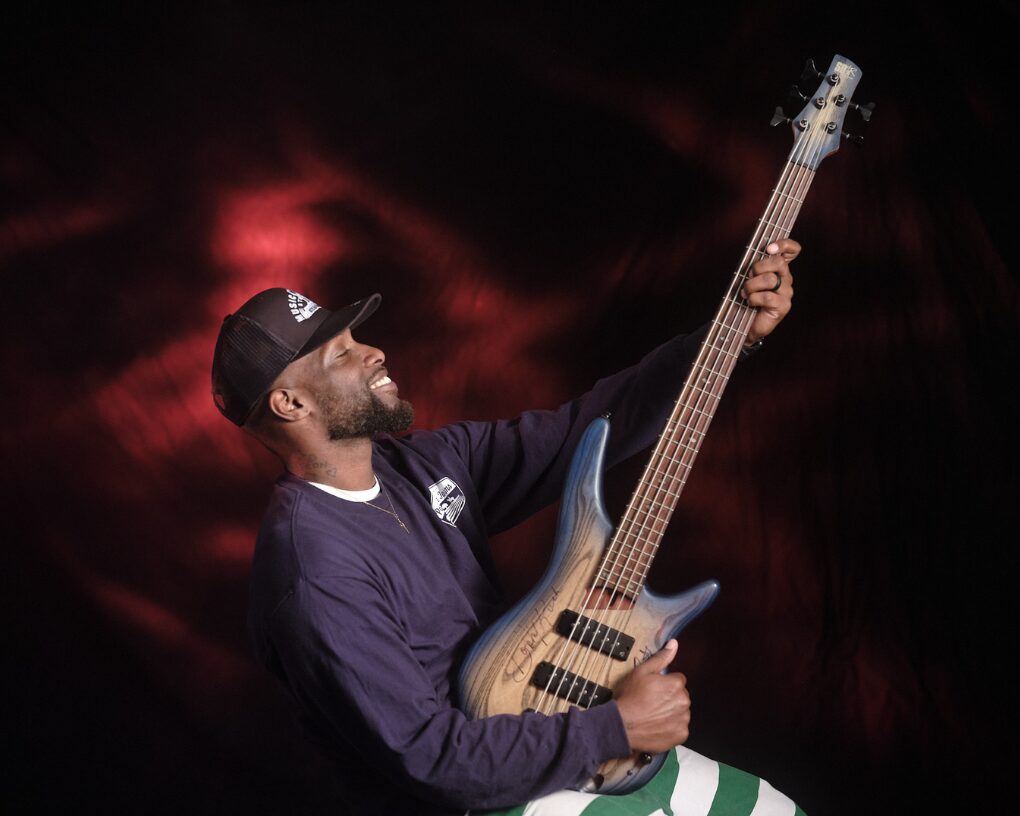
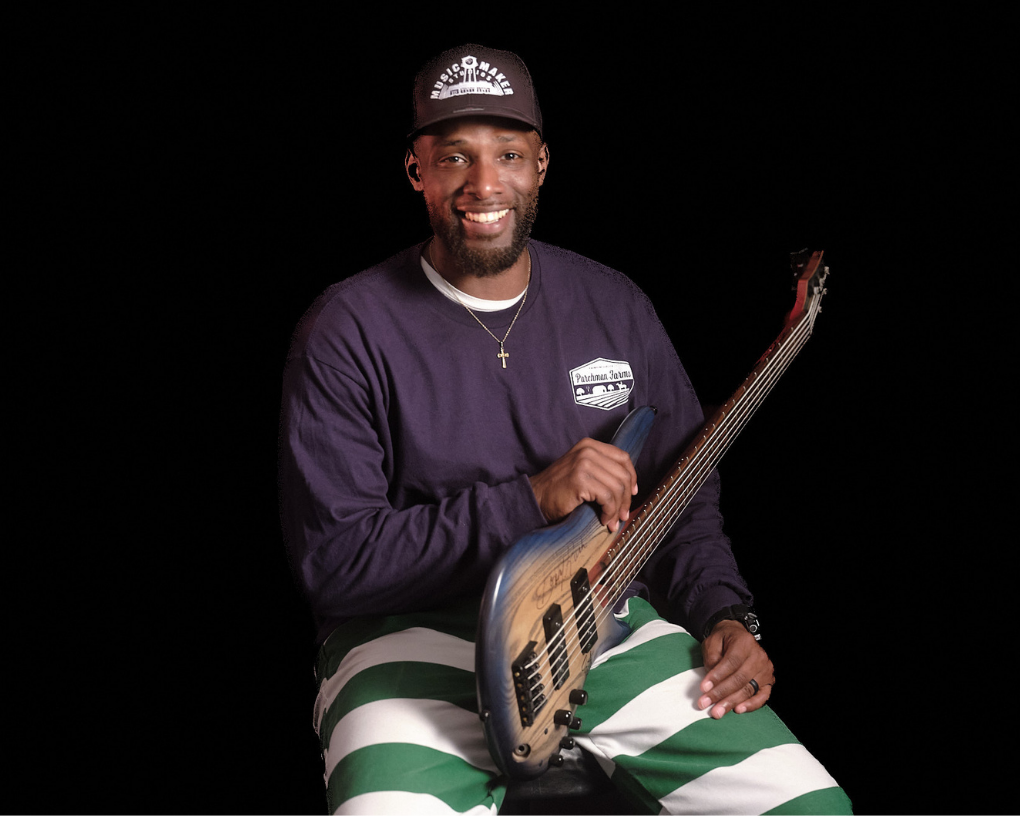
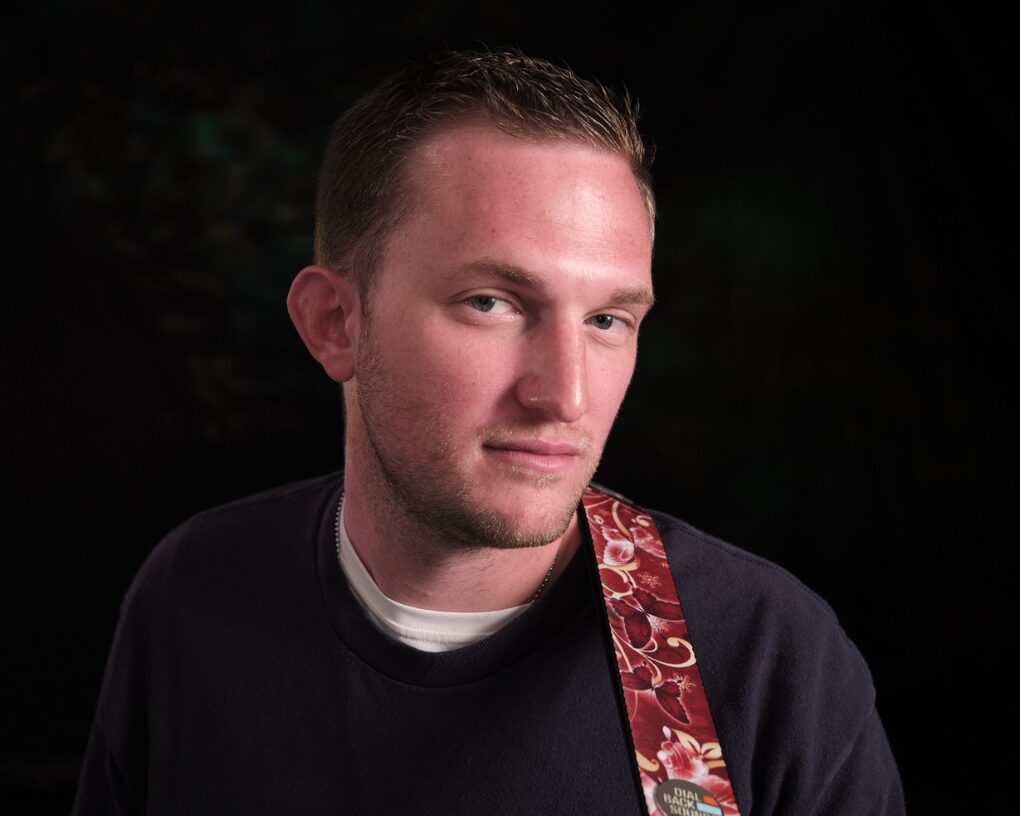
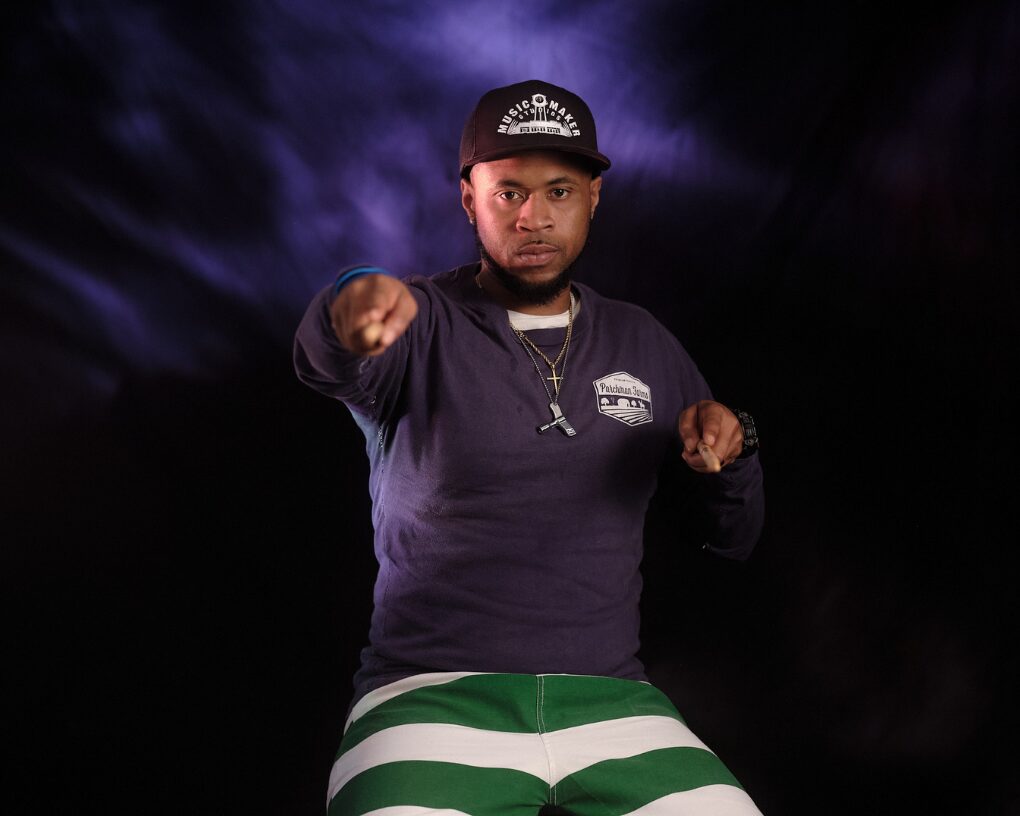
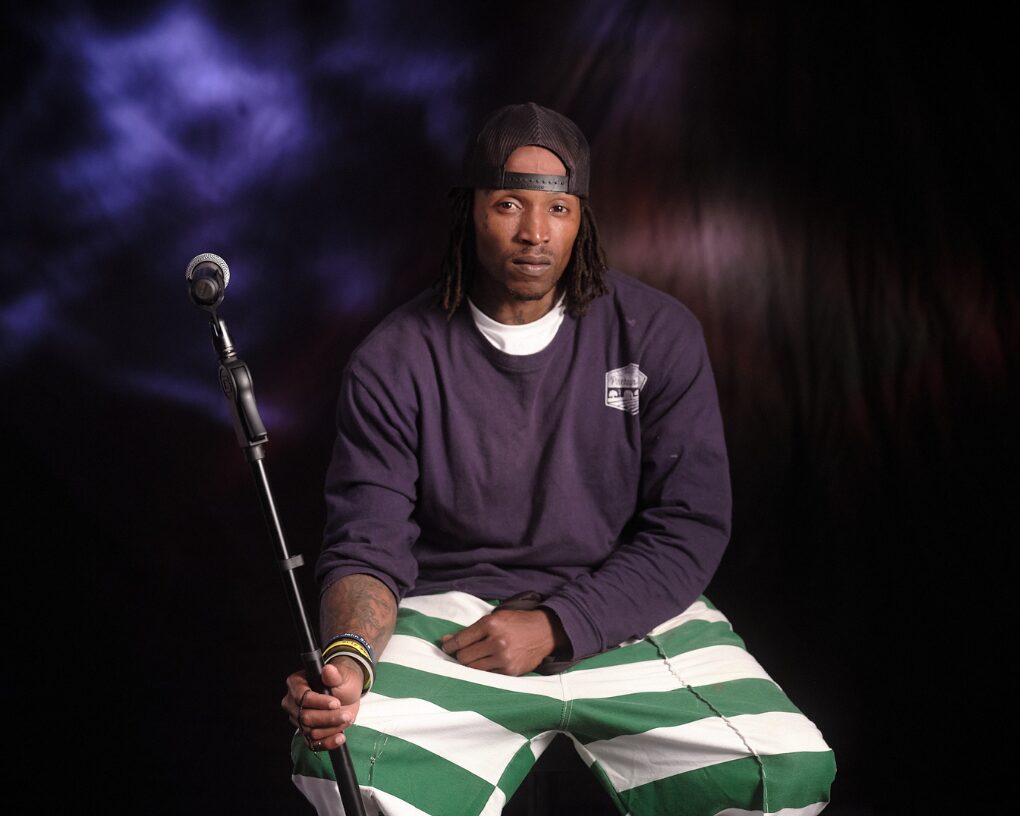
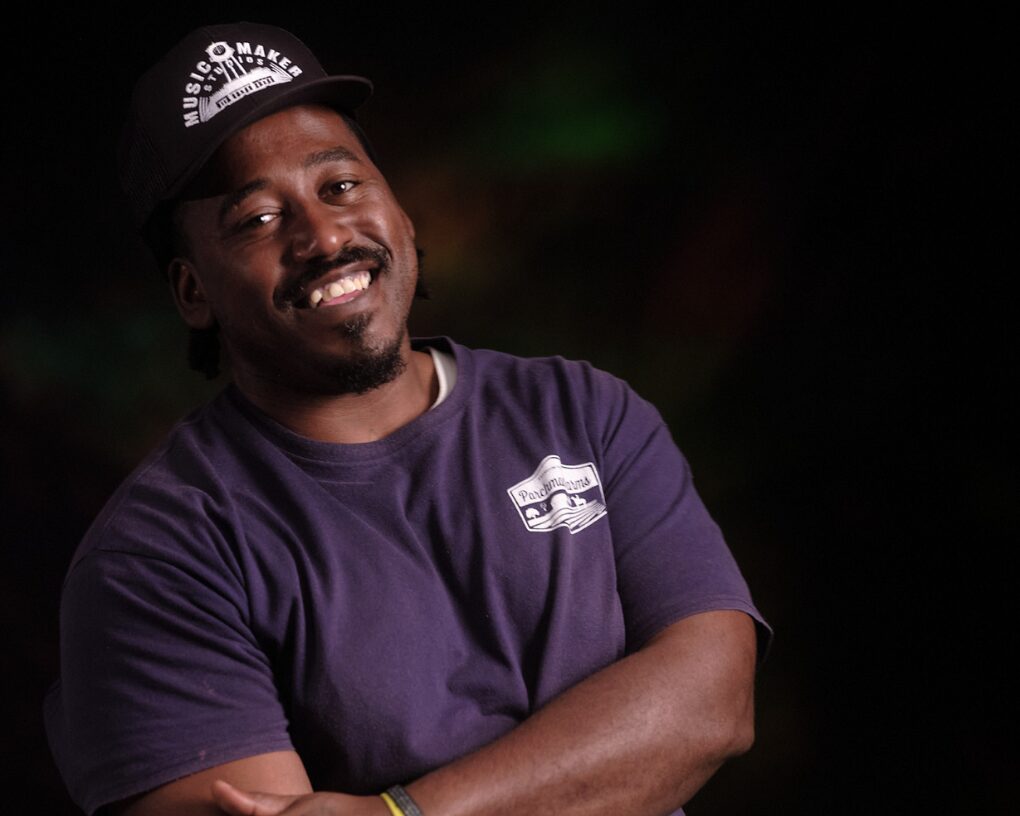
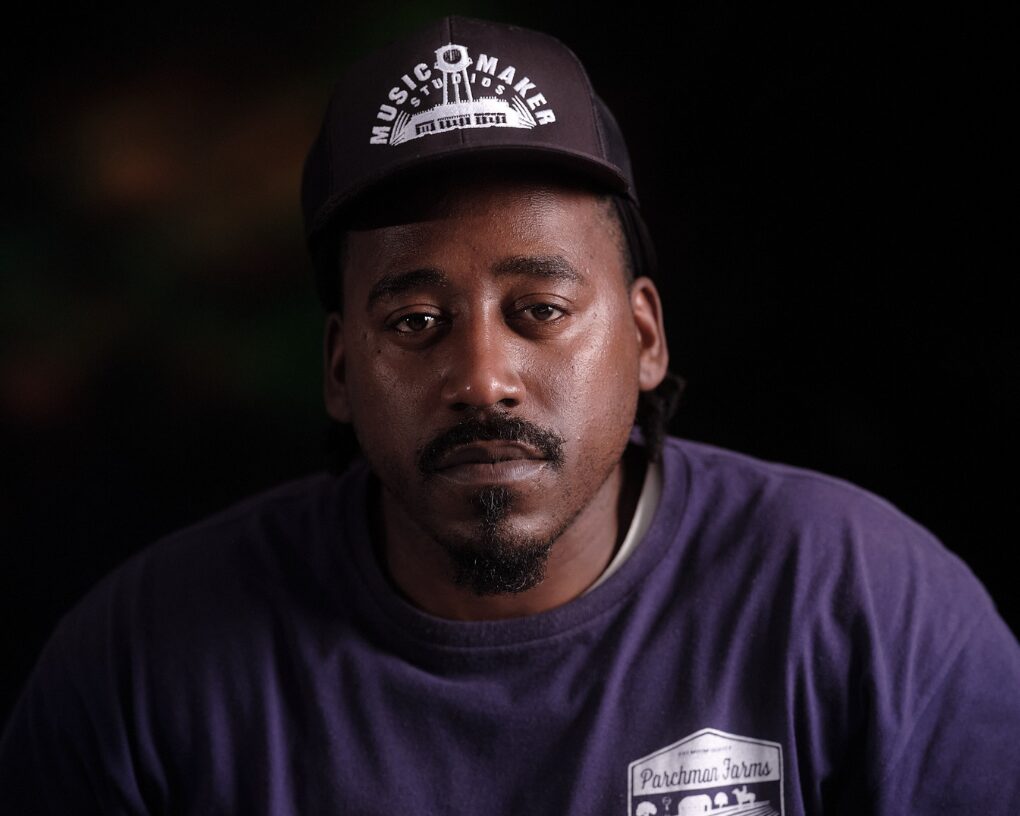
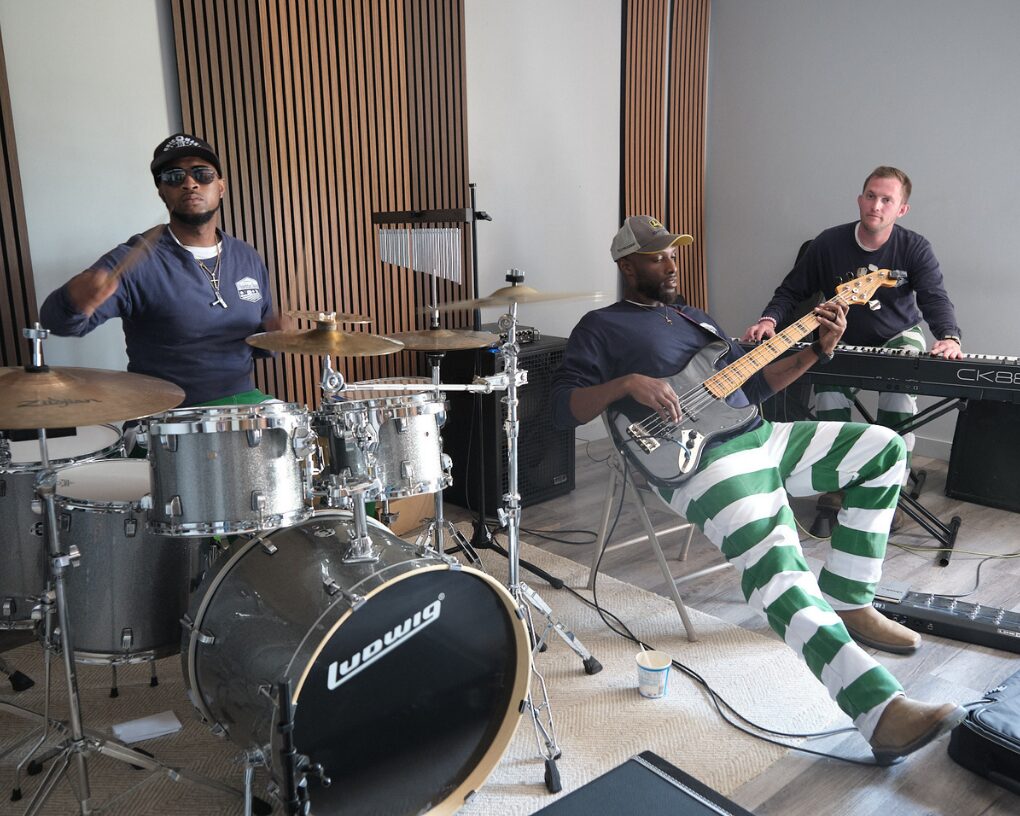
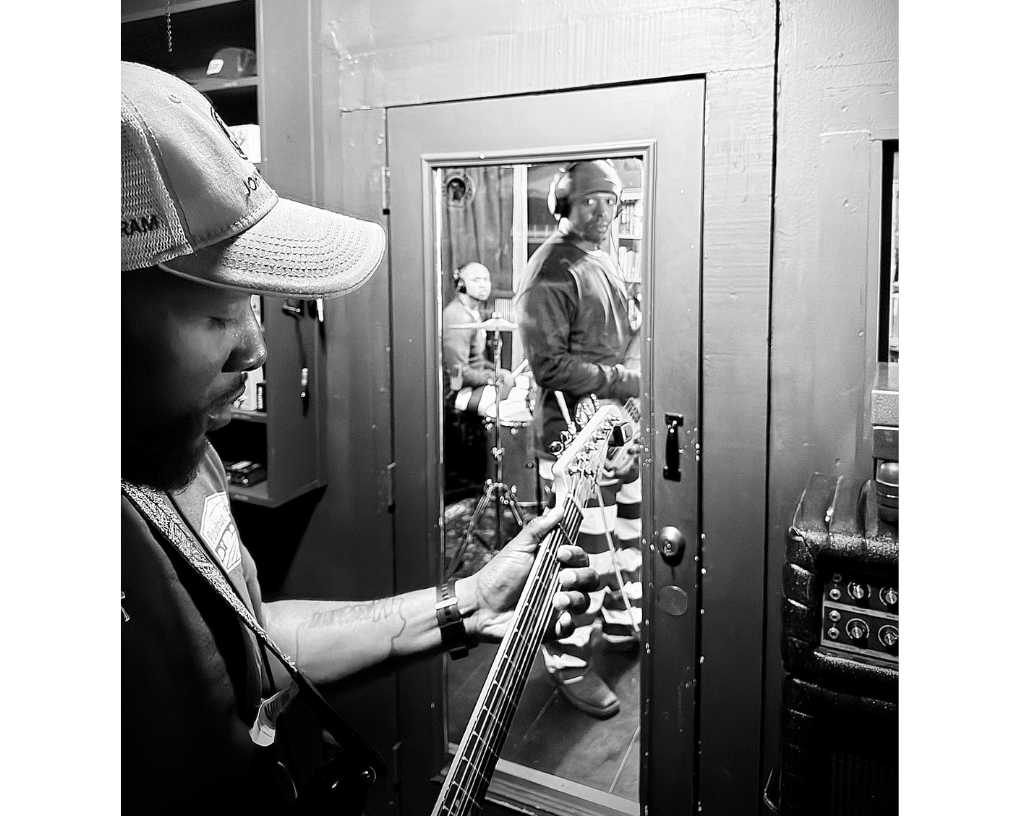
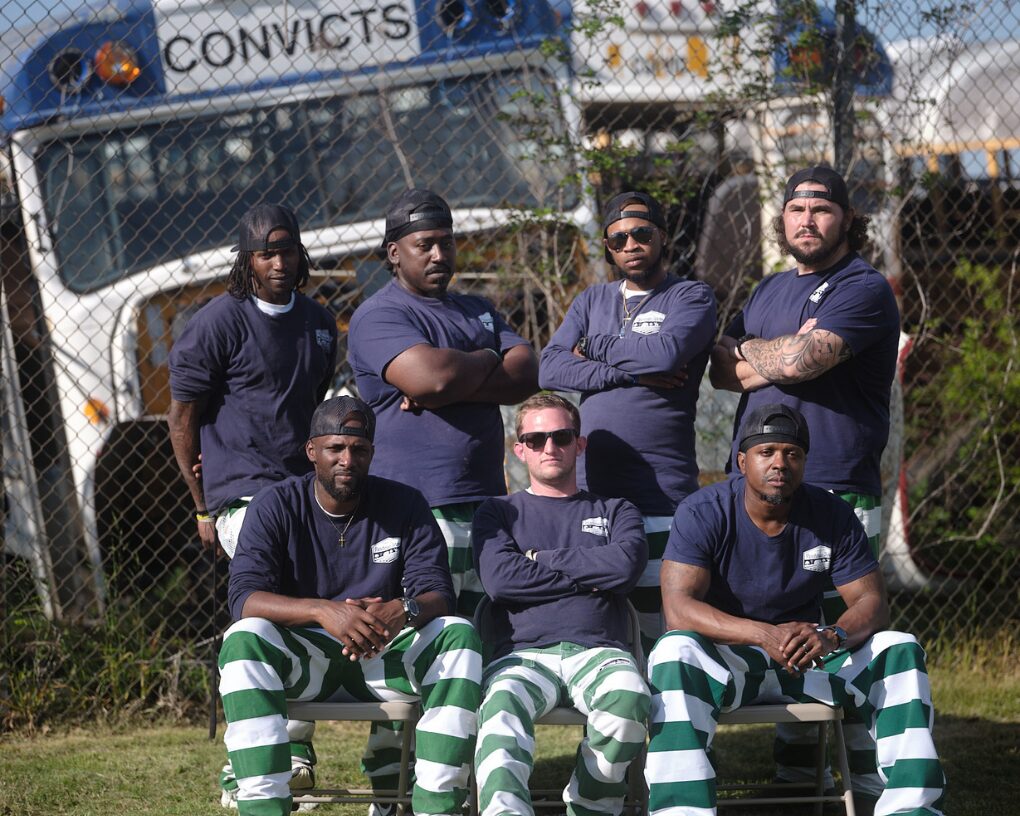
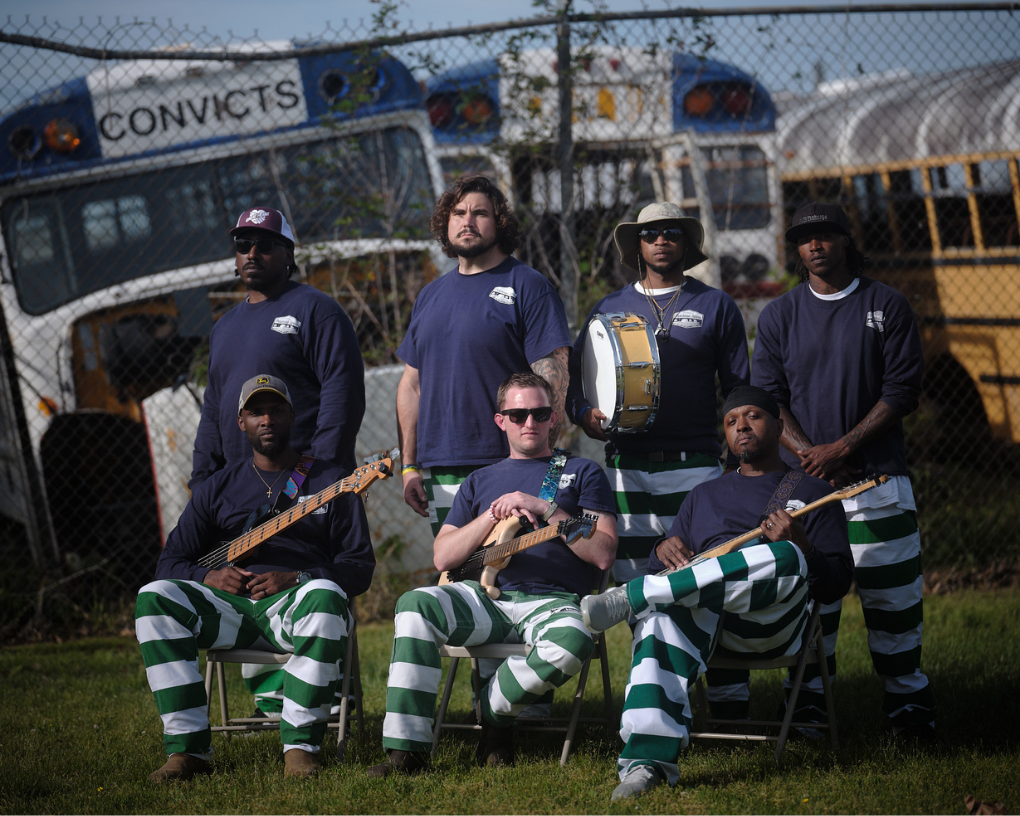
Listening to the early cuts of the album, I was deeply moved by the honesty, faith, and optimism the men poured into their lyrics. These are not down-and-out songs about prison life; they are declarations of transformation. Band member Michael Snell writes about staying on the “str8line” for his family. Lee Andrew Smith and Charles Glassco describe incarceration as a crucible where divine intervention reshapes the self. Jakellsey Hollis’ song speaks of “putting away the old me” to embrace a future rooted in moral clarity. Together, these songs are a collective roadmap for renewal. I can’t wait for you to hear them.
During our visit, Dave and I learned that the band needed new gear for their upcoming performances. I promised them we would help, and soon after I left, Music Maker donated high-quality guitars, sound gear, and photography equipment to the band. We are now sending them recording equipment so they can build their own studio inside the prison. This will mark the first time in Parchman’s history that incarcerated musicians can control how their music is recorded, documented, and preserved.
Building the Parchman Songbook
Struck by the depth of the lyrics and by Houston’s beautifully-written history of the Parchman Band, I asked him if he would consider editing a songbook to accompany the upcoming album. He immediately agreed. His vision is ambitious: each song will include lyrics, musical notation, a band-member biography, and the story behind its creation. Houston is now actively shaping this material into what will become the first Parchman Songbook.
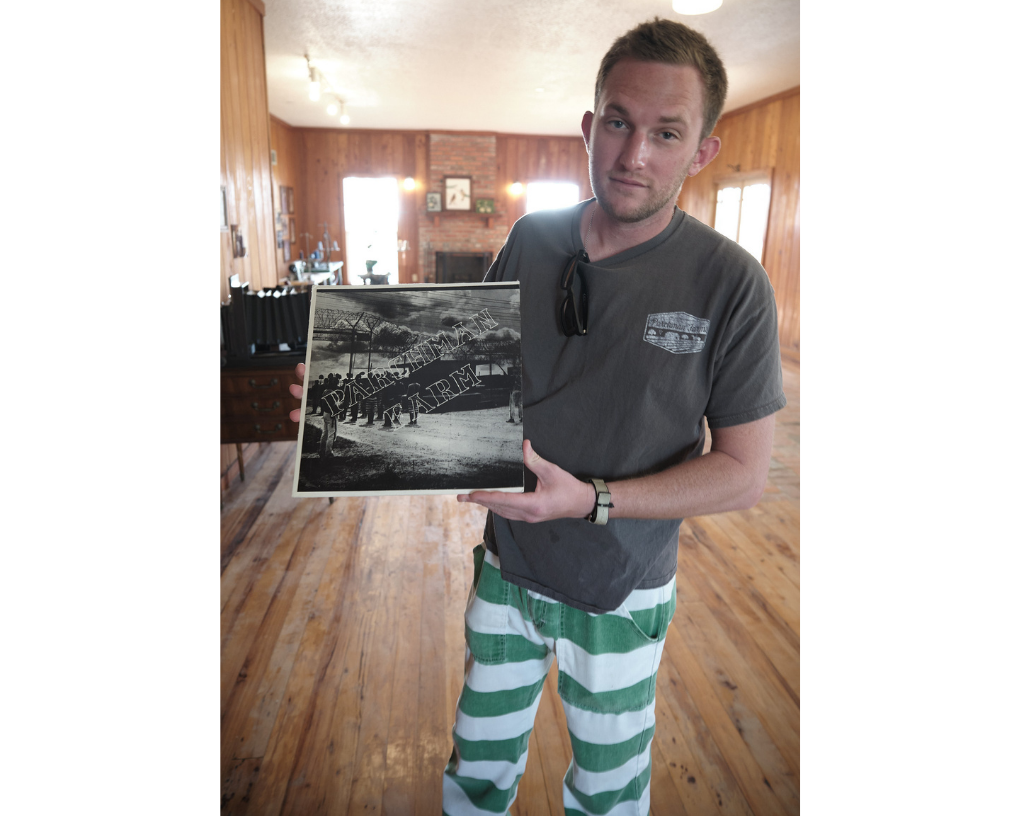
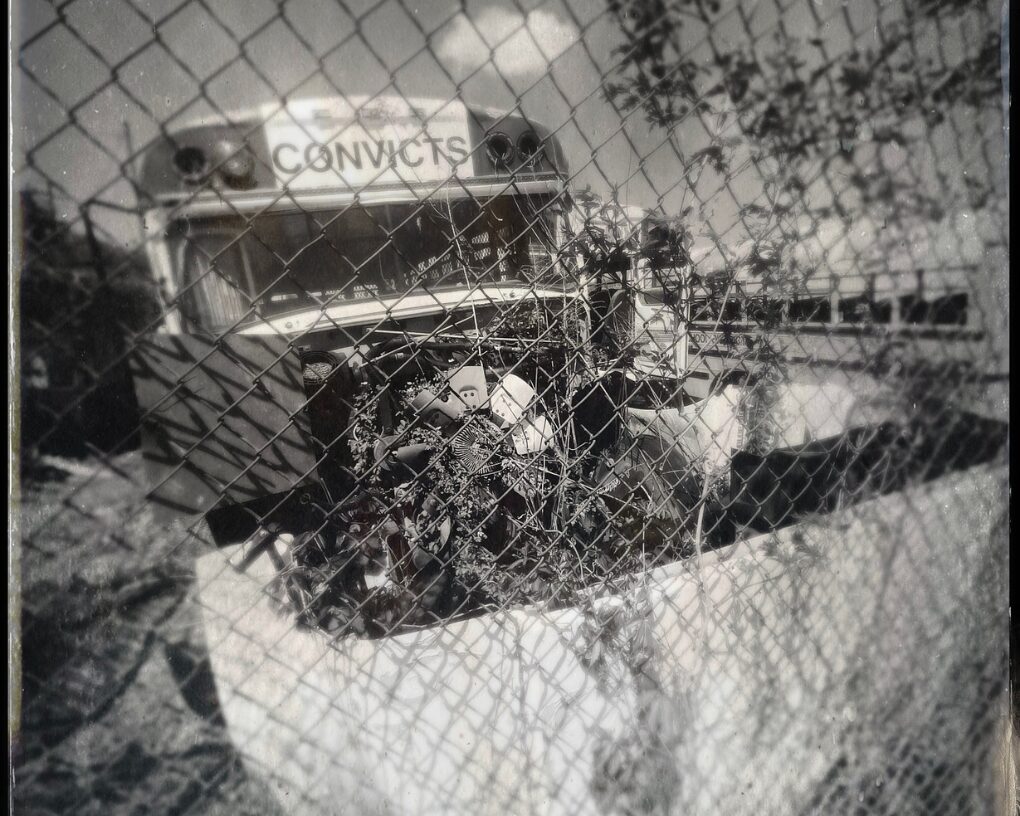
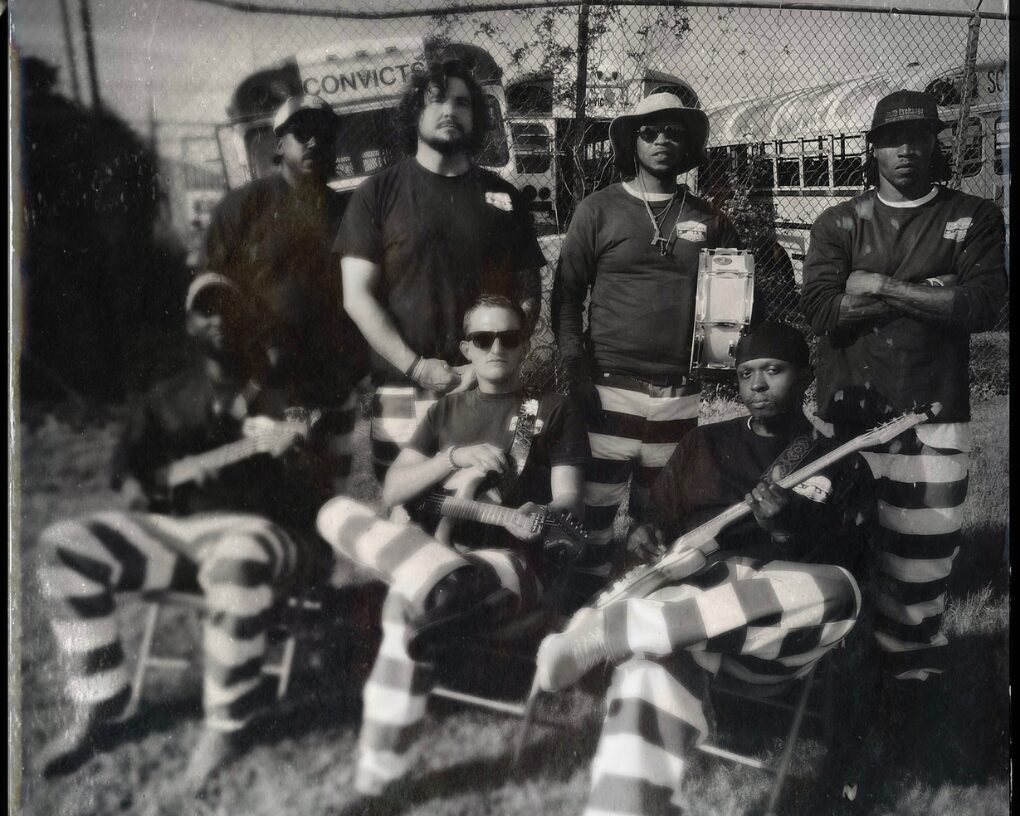
To support this effort, I returned to Parchman on April 6 with my wet-plate wagon (a mobile darkroom built into a trailer) to create tintype portraits of every member of the band. Houston and I spent four hours transforming the prison’s Visitors Center into a full studio, complete with flash packs, stands, backdrops, and all the equipment I use at our photo studio in Fountain, NC.
For two days, the band members sat patiently as I made two to three tintypes of each of them. Wet-plate photography is slow, deliberate work, each exposure taking up to half an hour. The men embraced the process, playing dominoes while they waited their turn. Houston documented everything with his camera, capturing the sessions’ quiet intensity.
Use the next/previous buttons to view a series of images and captions.
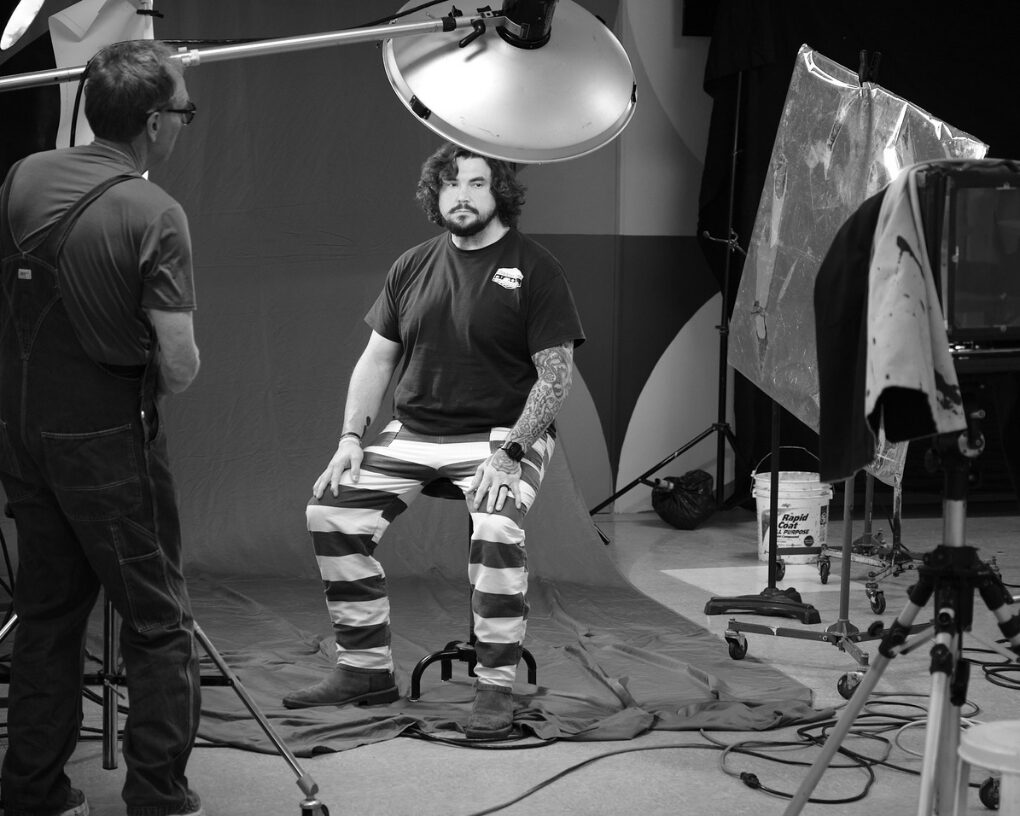
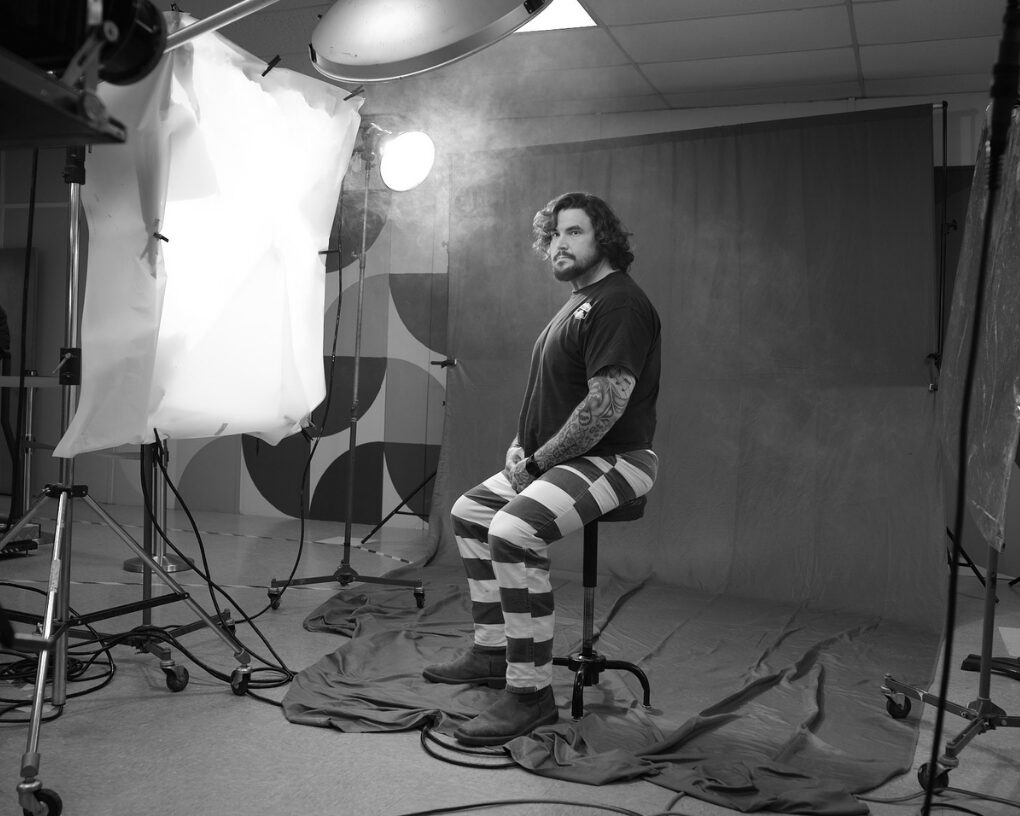
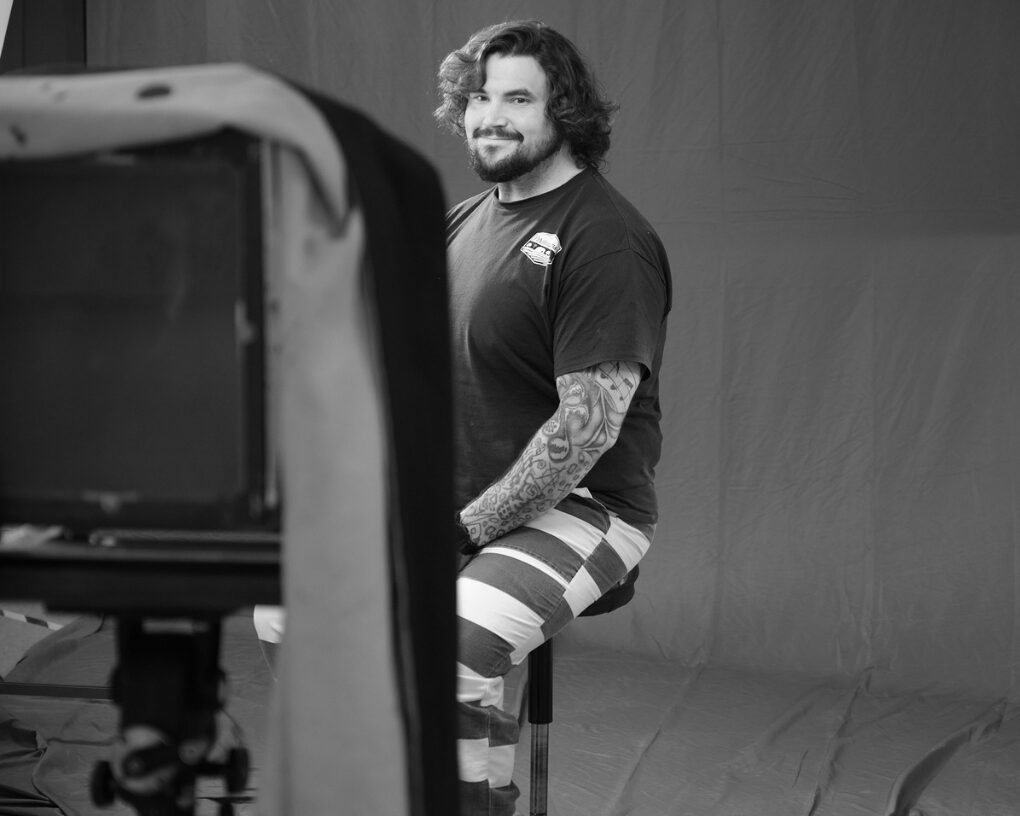
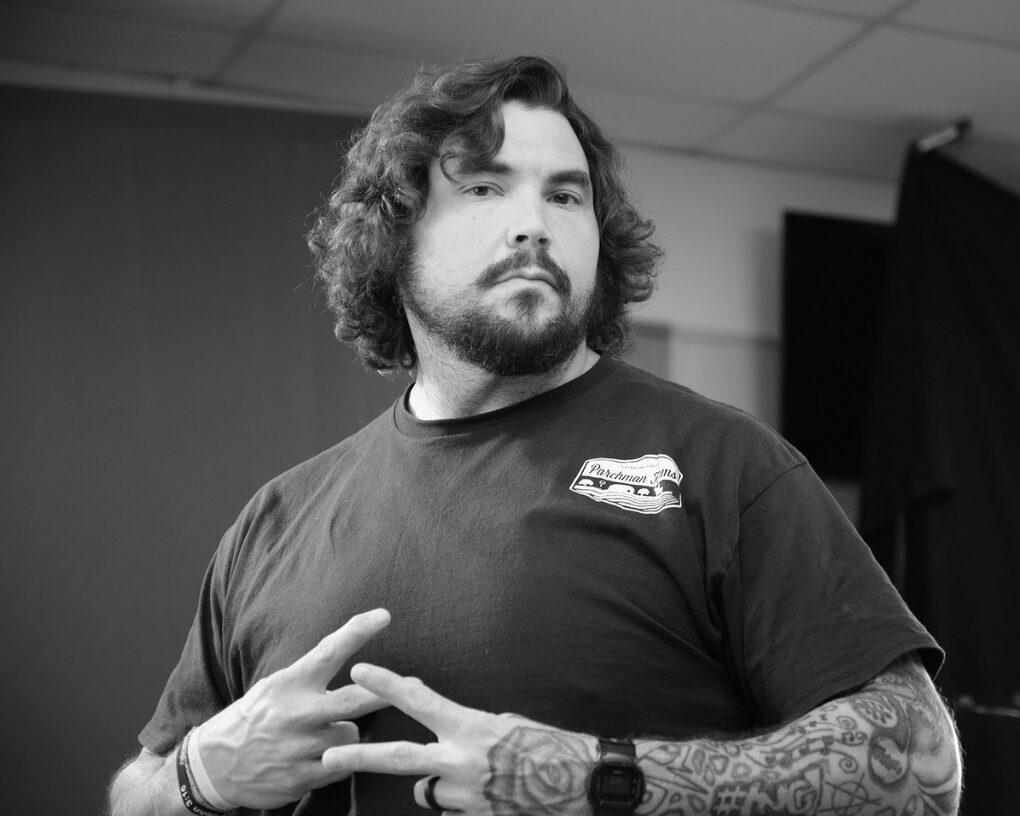
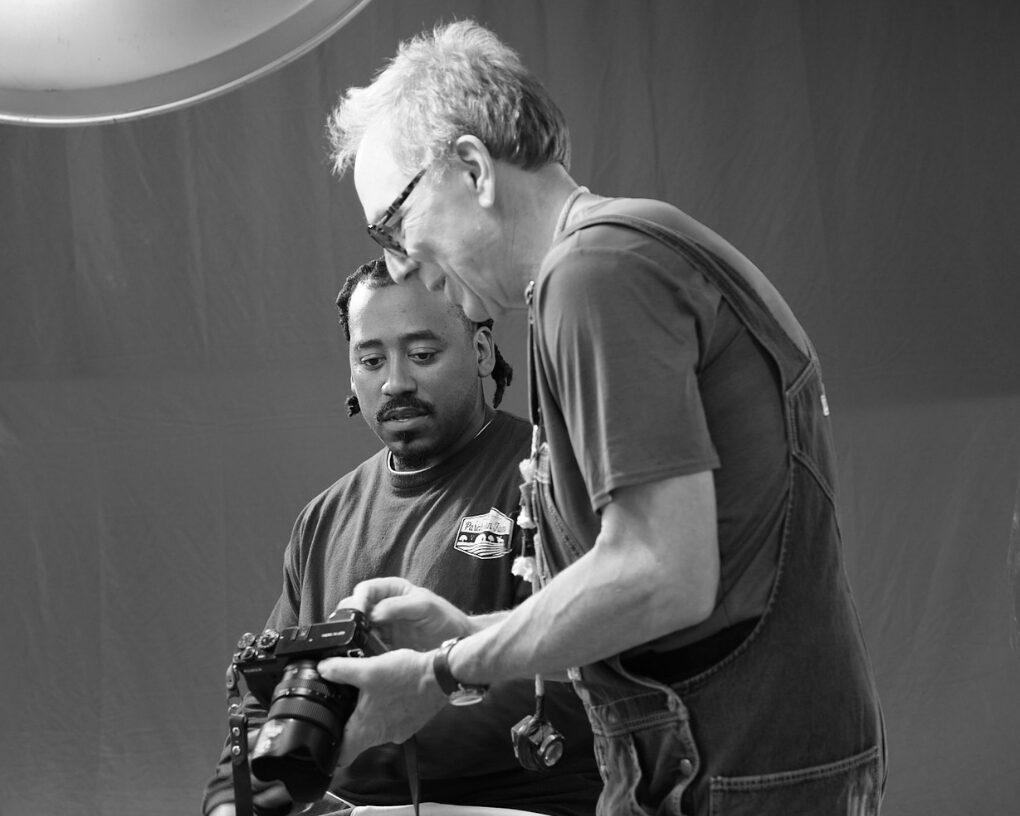
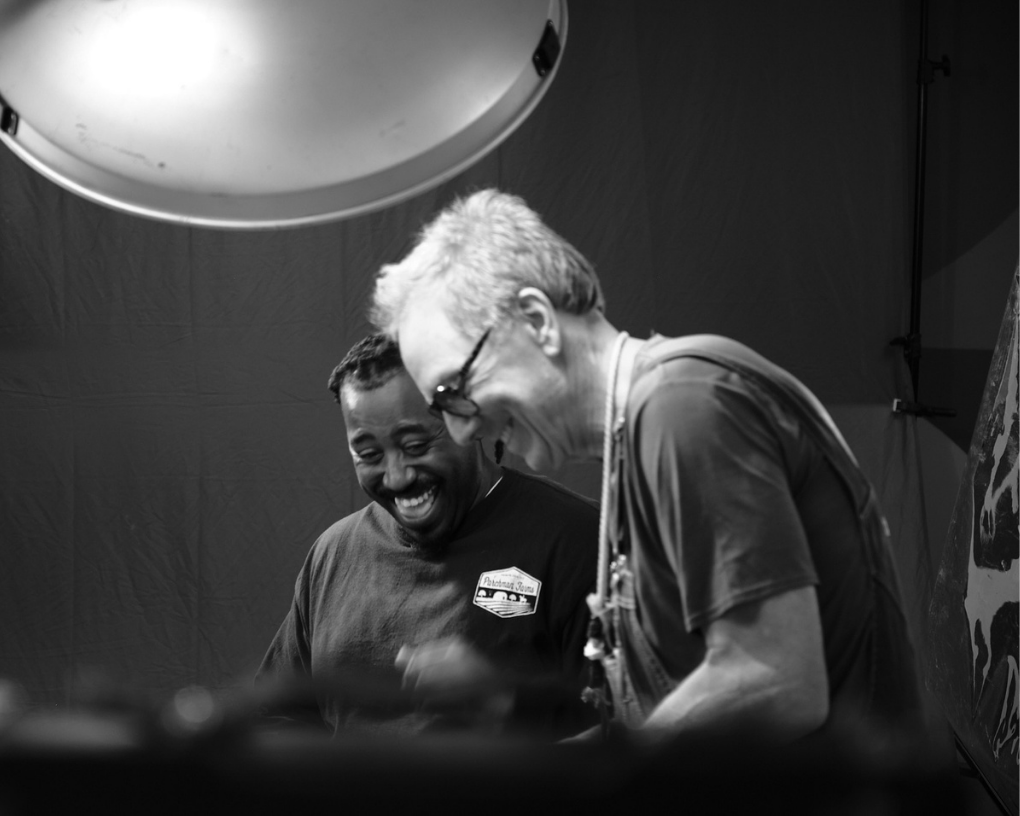
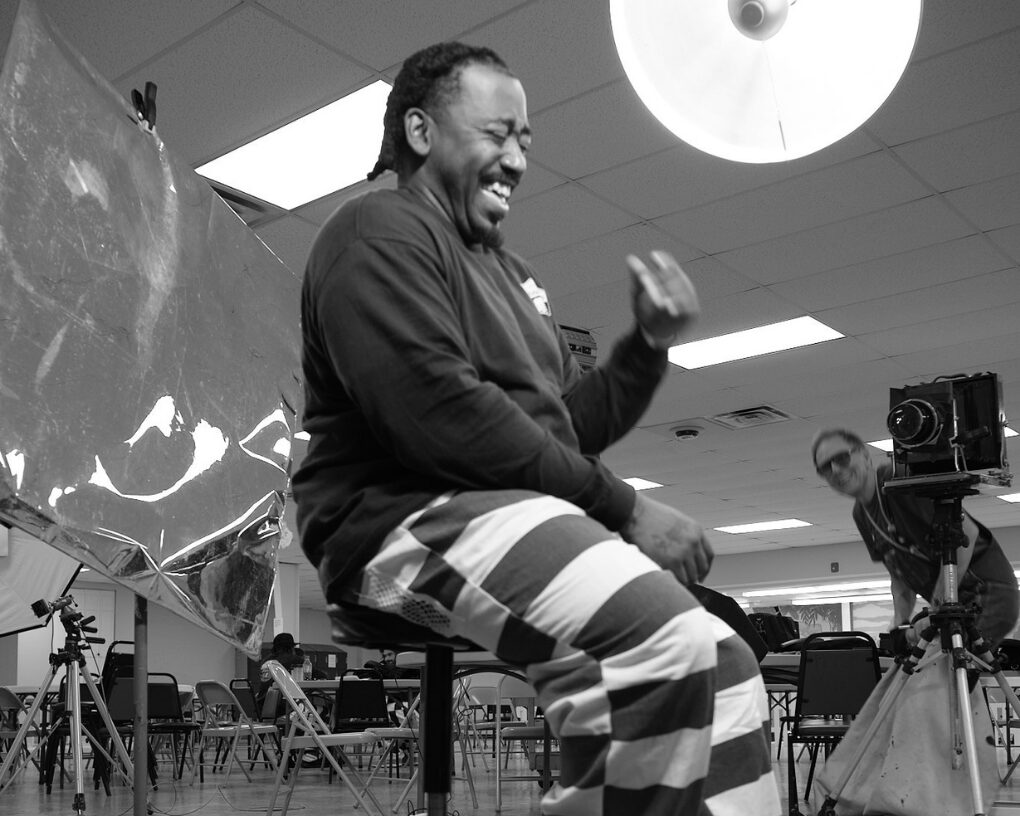
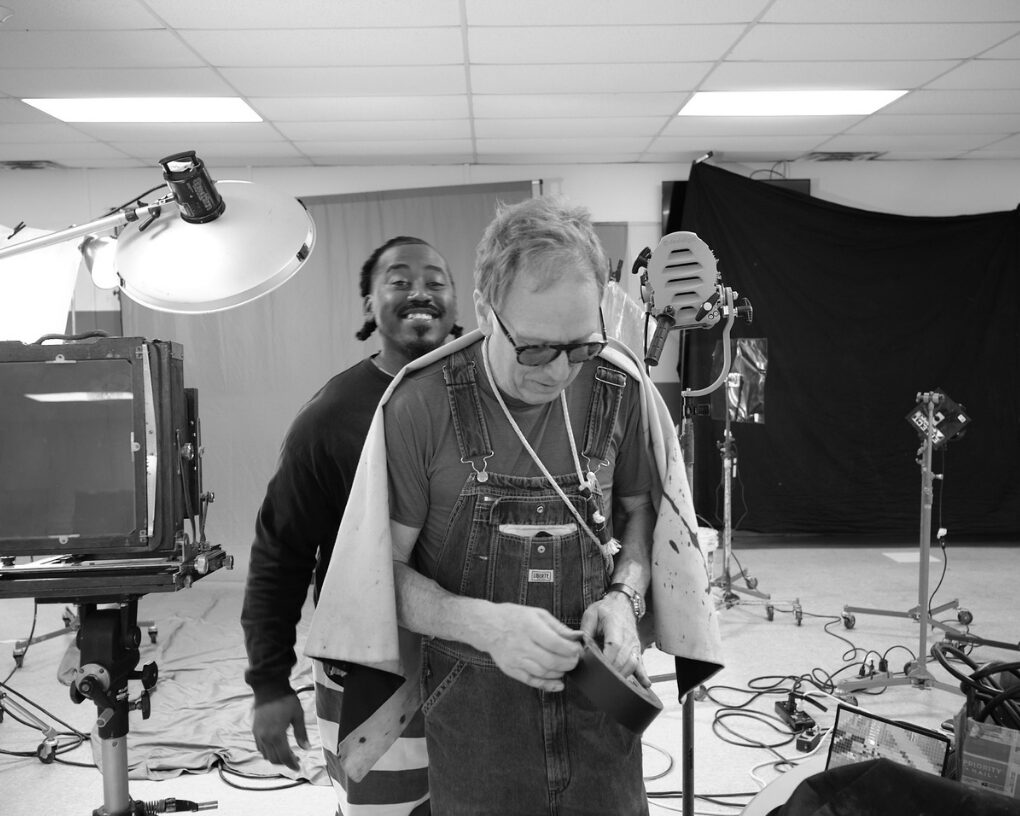
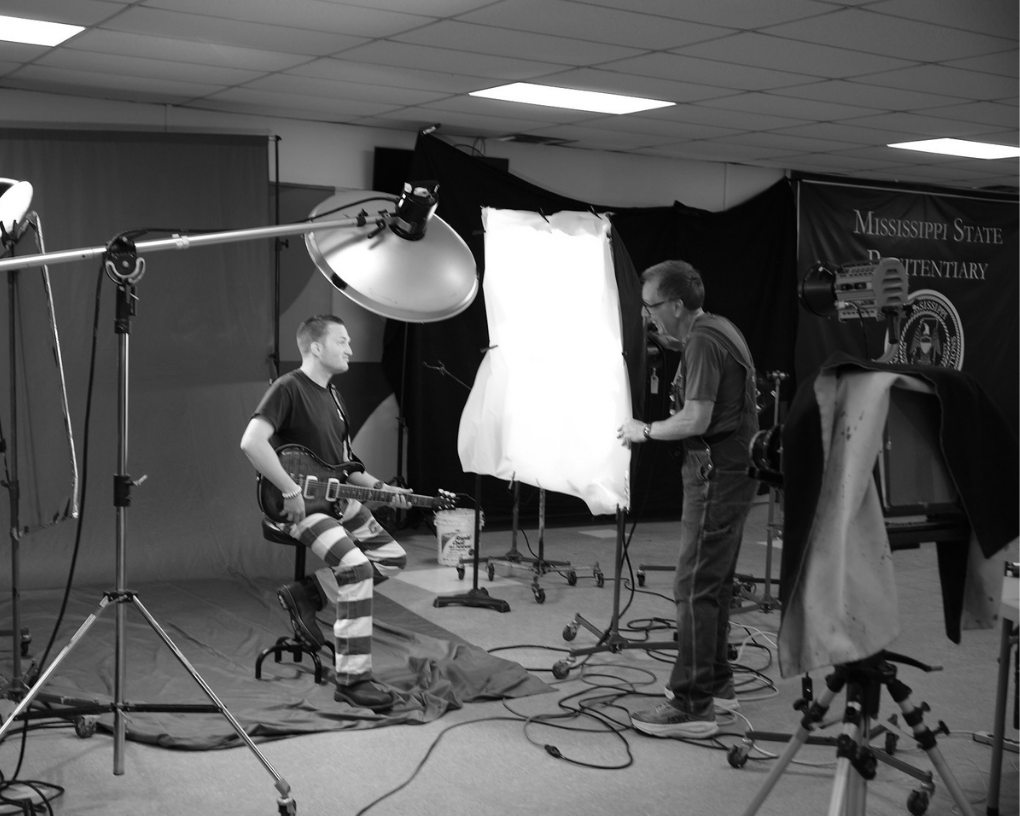
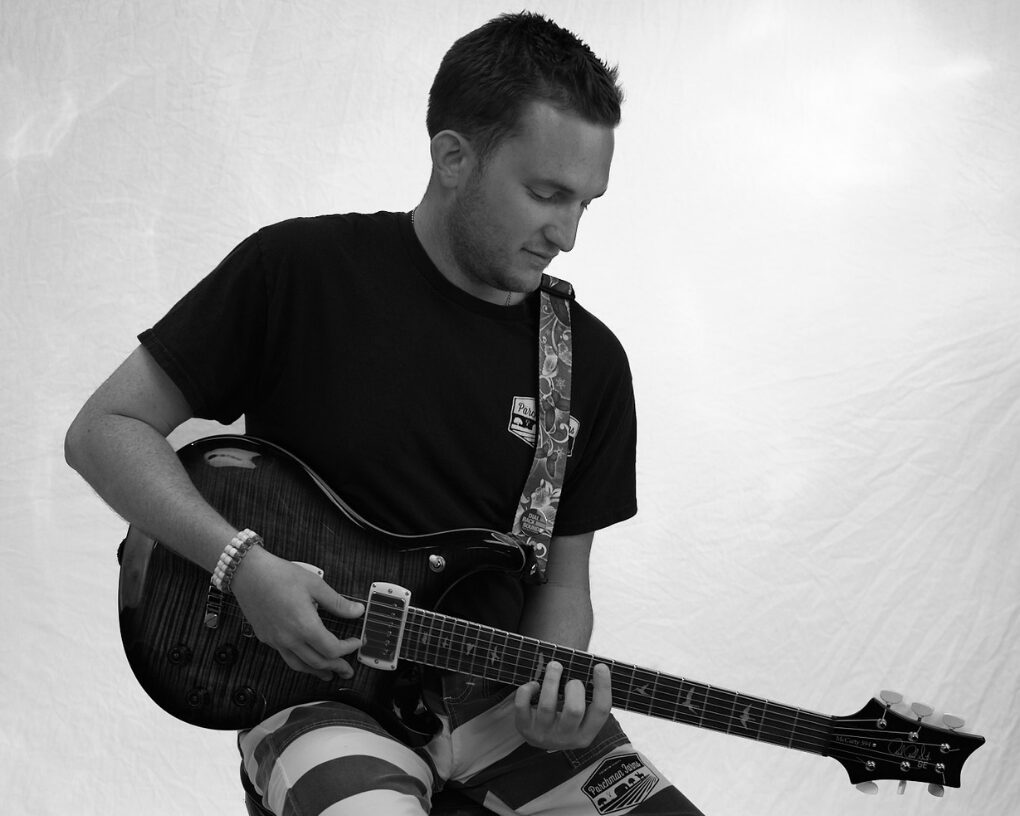
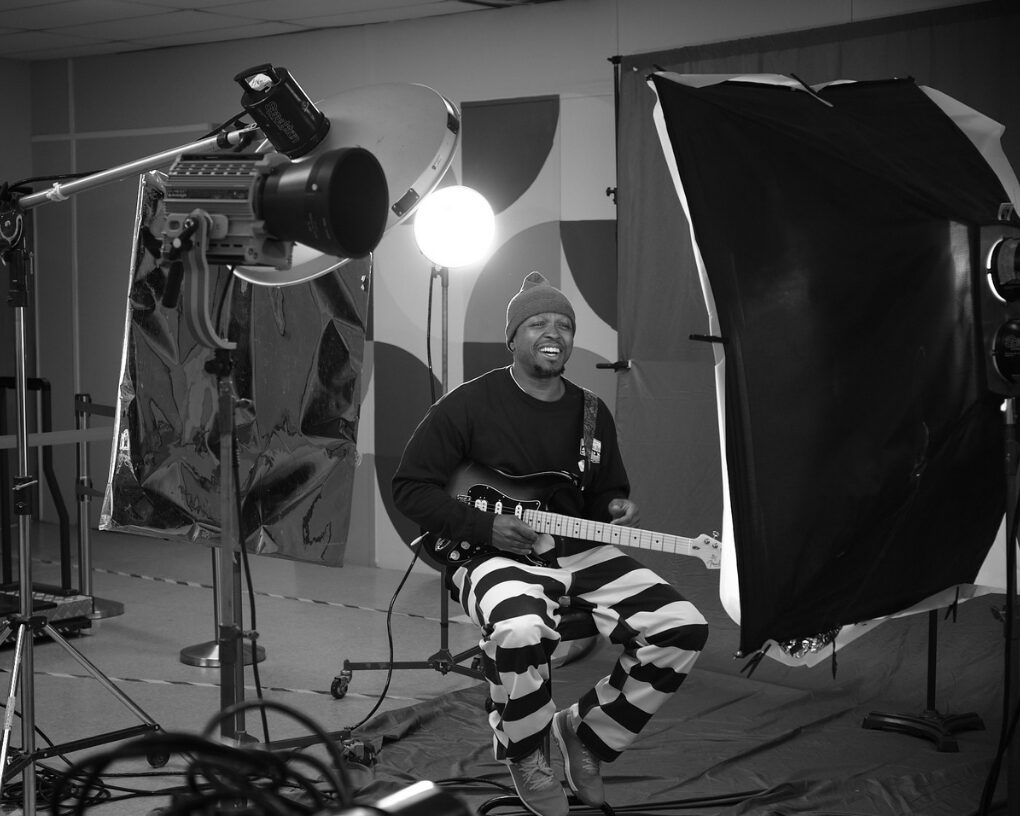
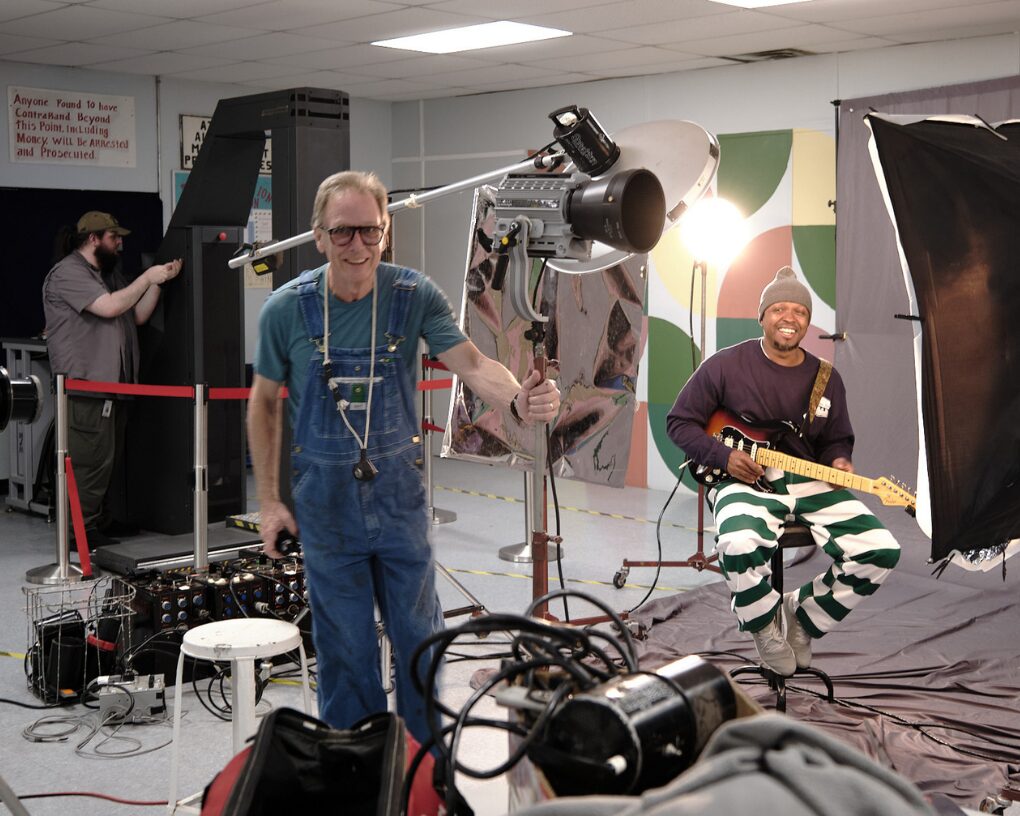
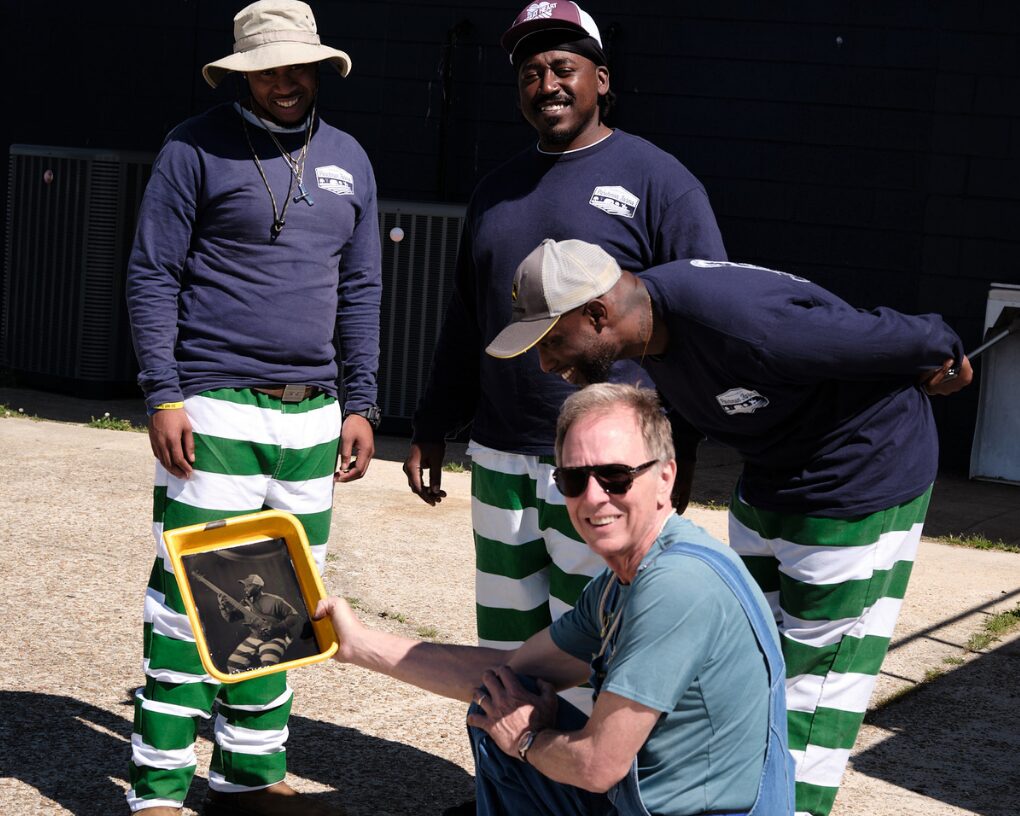
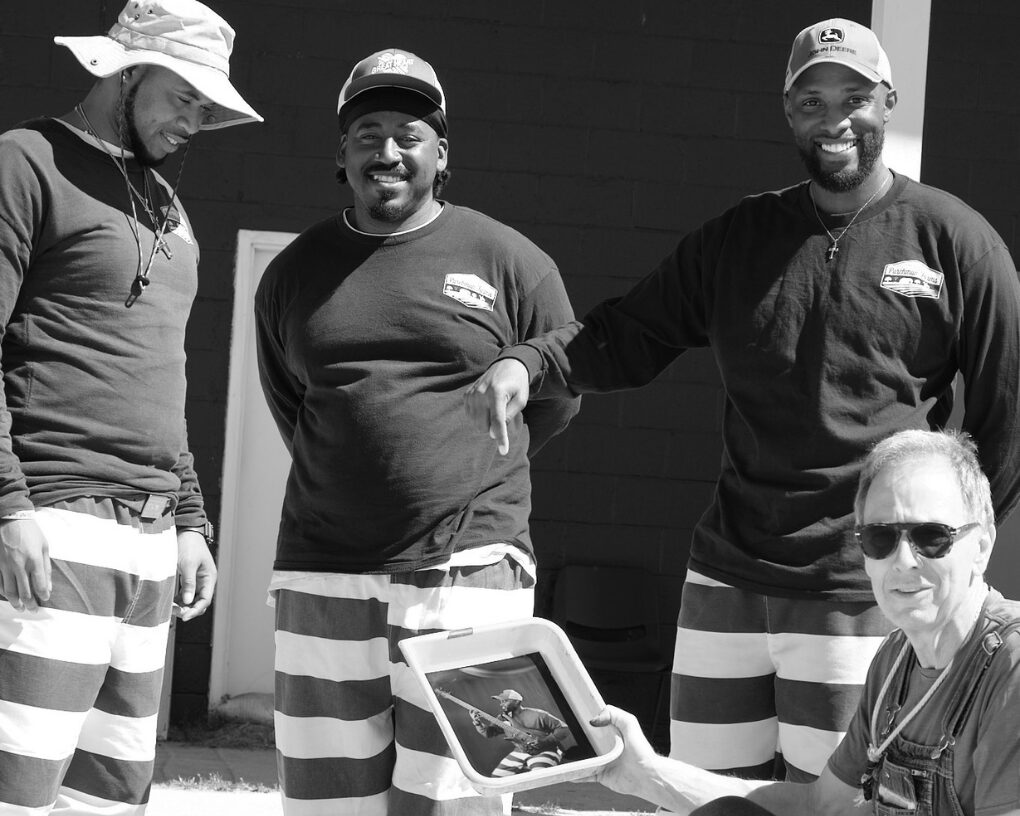
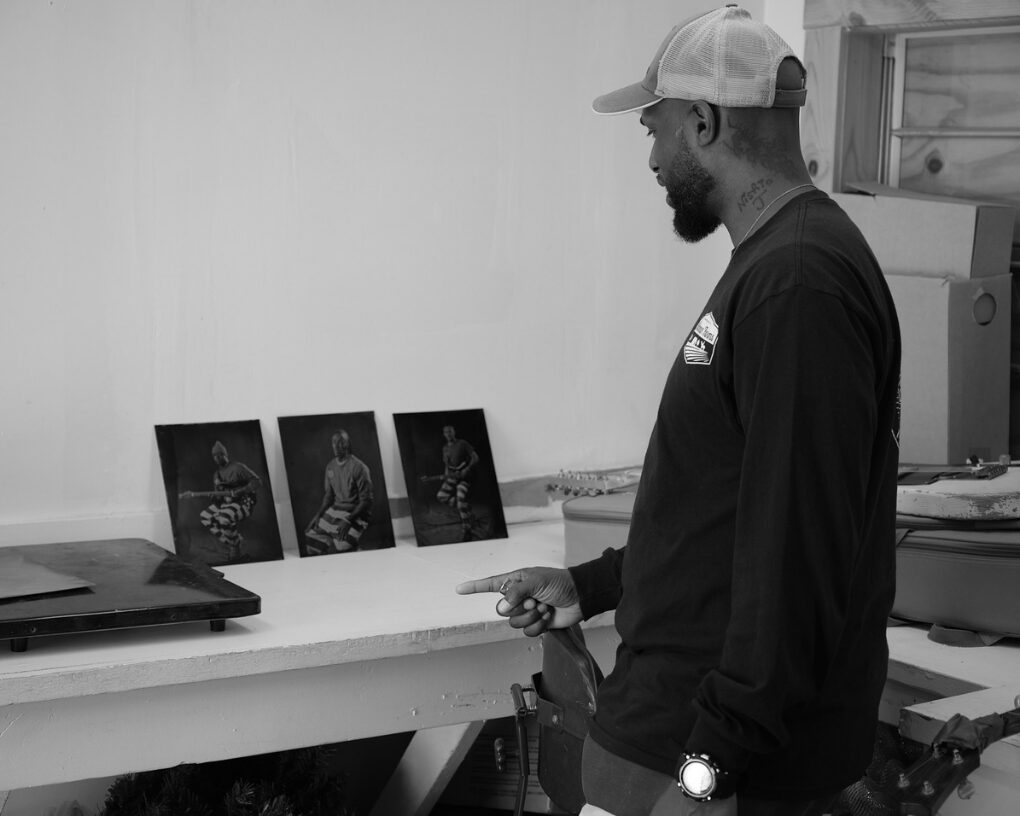
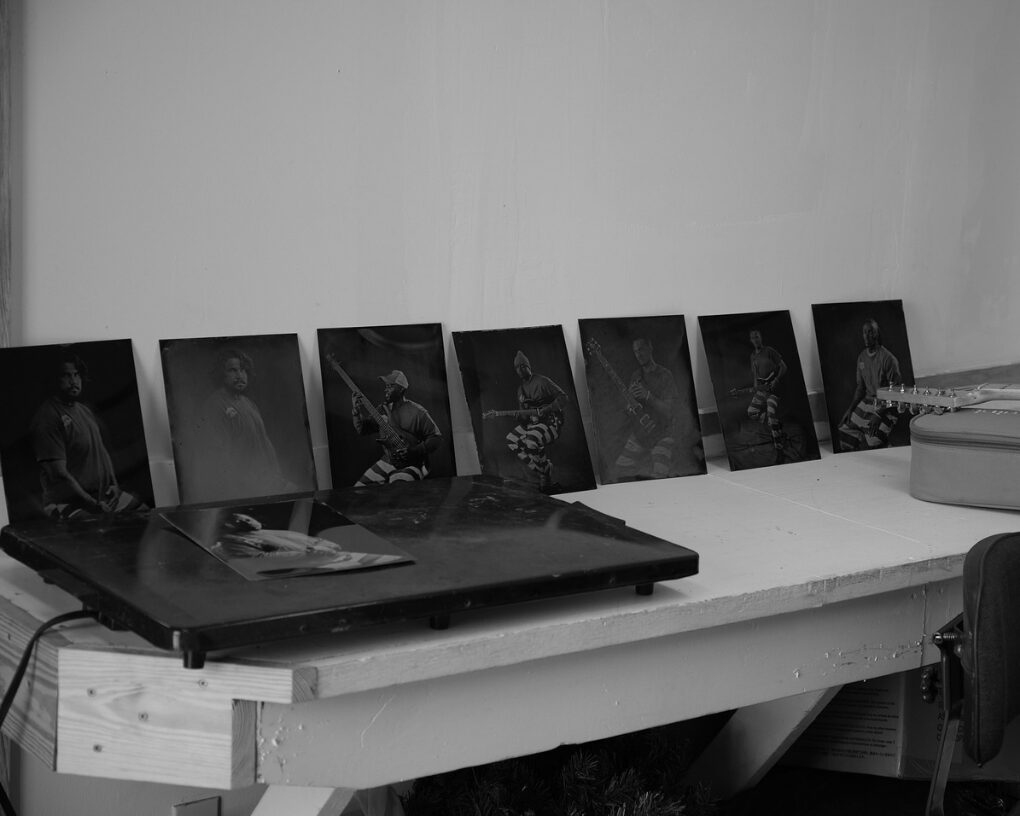
On the second day, writer James McWilliams arrived to interview the band, volunteering his time to help Houston shape the songbook’s narrative. On day three, we shifted to digital portraits to give the men more options. Their openness, curiosity, and pride in the project were palpable.
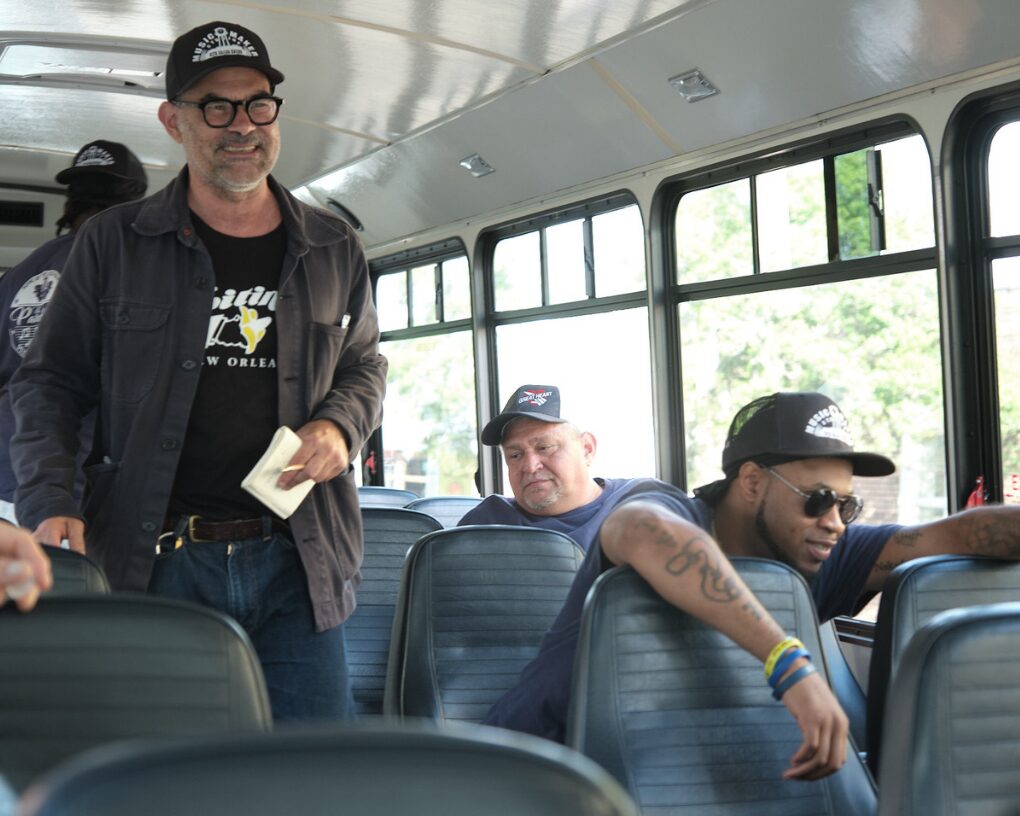
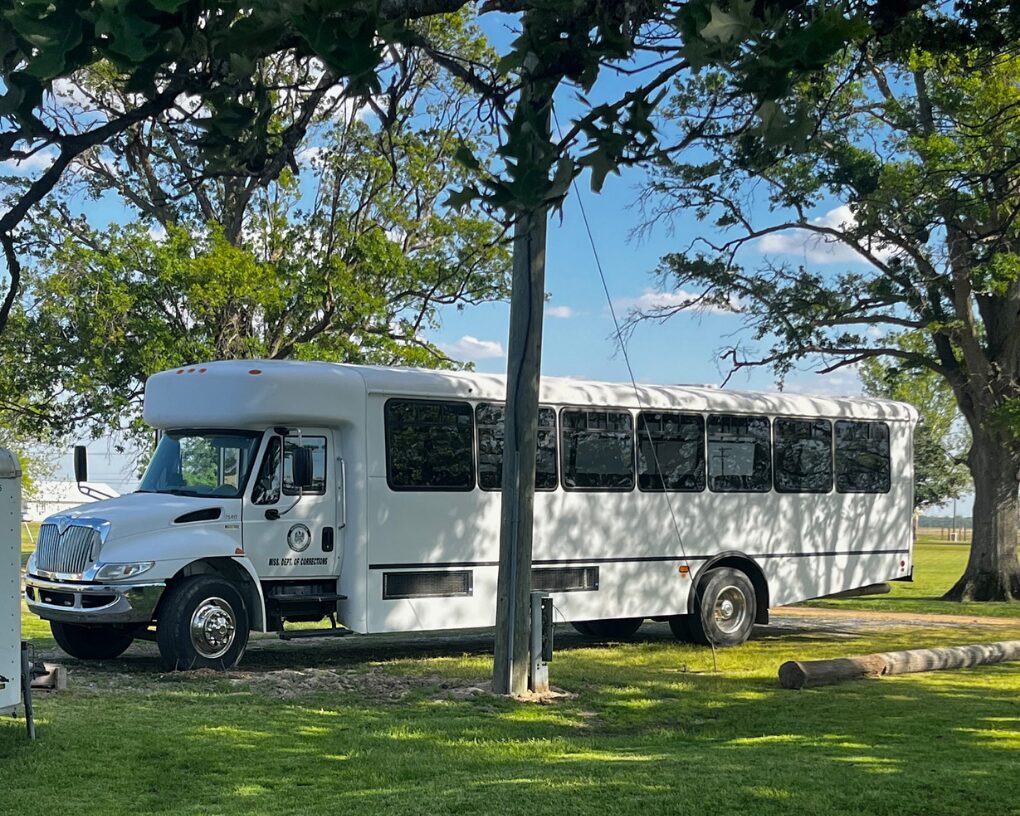
That Saturday, I joined the band on a bus to Clarksdale for their performance at Juke Joint Festival. Houston gathered the musicians, secured the driver, and shepherded everyone into town. The band delivered a powerful set. Jimbo Mathus introduced them, and Music Maker artist Rachel Ammons (who had played in town the night before) stopped by to visit and gifted the men small rubber chickens, which delighted them. The band members were even able to visit with their children and families, who had traveled to Clarksdale to watch them perform.
It was a morning full of joy, camaraderie, and purpose. Watching them perform, it was clear these men are more than musicians. They are ambassadors of the McClures’ vision of faith and redemption.
Use the next/previous buttons to view a series of images and captions.
Life Inside Parchman
During my stay at the prison, I was housed in the Burl Cain Suite, named for the Commissioner of the Mississippi Prison System. Burl’s reform work at Angola Prison in Louisiana laid the groundwork for Parchman’s transformation. Being welcomed into this space was an honor.
My second trip also included a visit to Unit 17: death row. I had previously sent the men there several Music Maker books, and they greeted me with warmth, asking me to sign them. Some are gifted songwriters, and Houston and I were able to sing and play with them. Many had spent years locked up 23 hours a day, shackled during their single hour outside, living with inadequate heat, no air conditioning, and failing plumbing. Now, thanks to the efforts of reformers like Burl and the McClures, those conditions have changed dramatically.
As Marc often says, “The punishment is the sentence.” Everything else should be humane.
The goal of these reforms isn’t just to improve life behind bars. Many of the men incarcerated at Parchman come from the roughest communities in Mississippi. Focusing on rehabilitation over punishment means that, when their sentences are up, they can be a force for good in their own neighborhoods — and help others escape the cycle of violence and crime.
“If we don’t change the heart, we don’t change the man,” Burl once said. “And if we don’t change the man, he’s coming right back.”
Use the next/previous buttons to view a series of images and captions.
Just the beginning
Spending a week moving through Parchman — meeting the men, hearing their stories, witnessing their work — was life-changing.
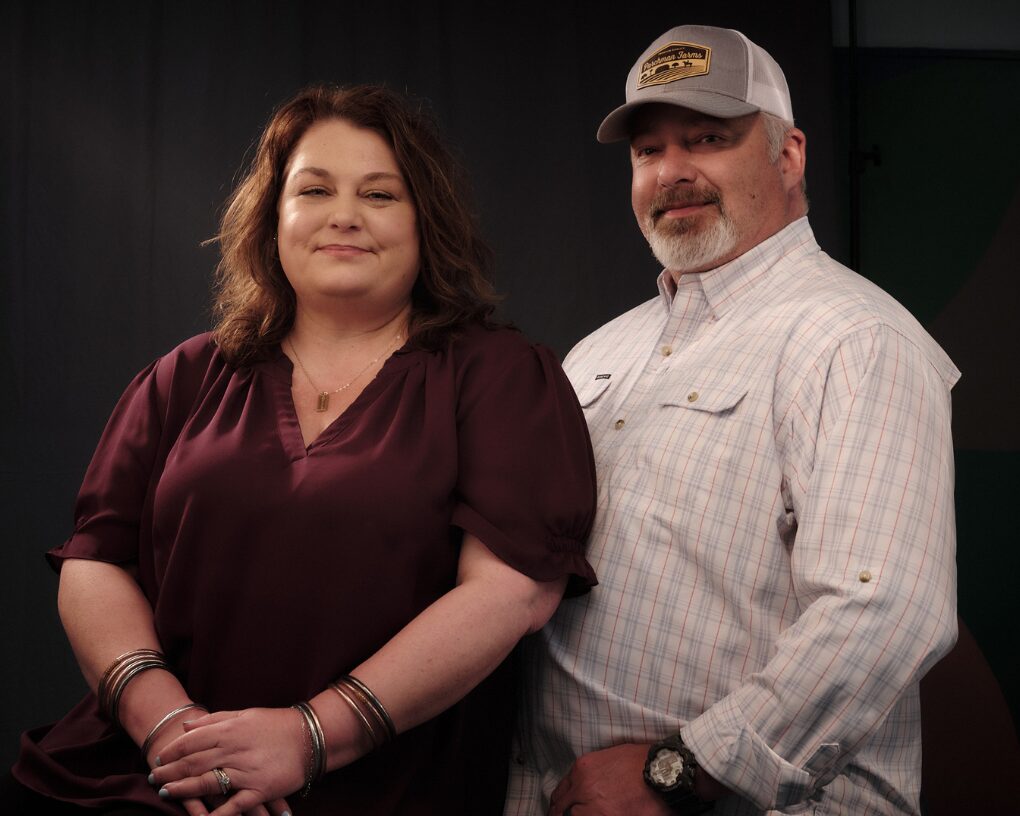
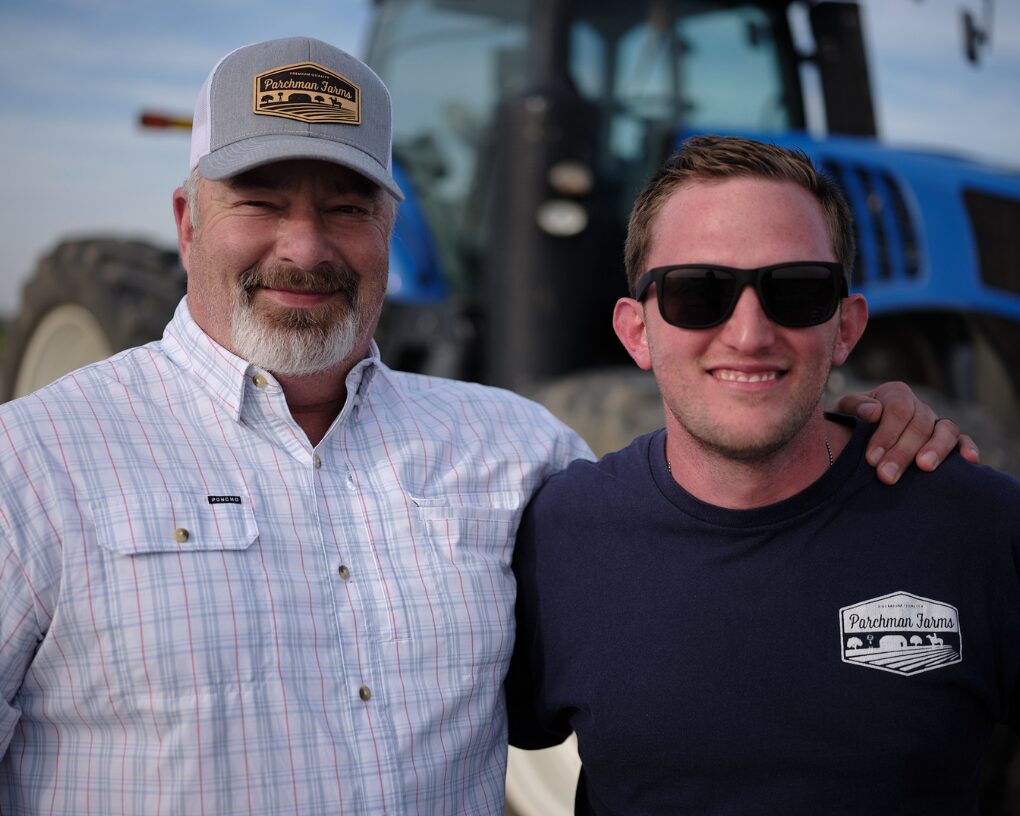
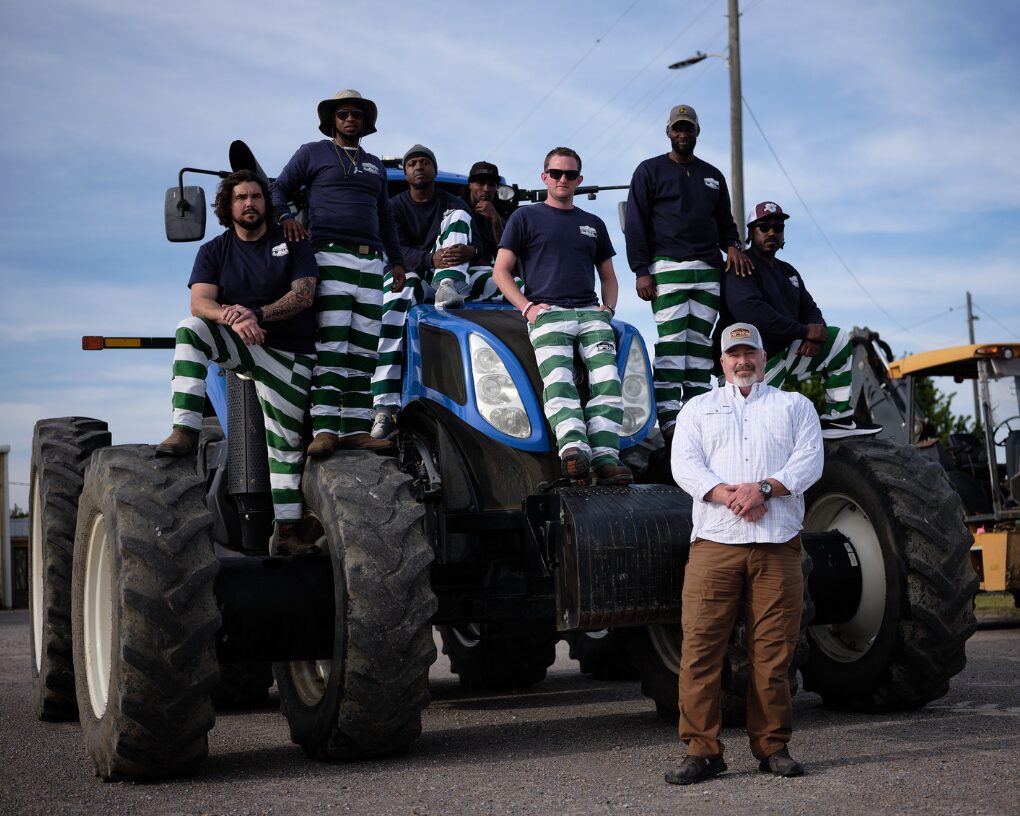
This is just the beginning of Music Maker’s collaboration with the Parchman Band. I will return at the end of May with director Ethan Payne to create a short film about the band and their upcoming album. The timing coincides with Parchman’s Family Day, a cherished biannual event where incarcerated men, staff, and their families gather for a picnic with minimal guard presence. The Parchman Band will perform at the picnic, joined by country songwriter Charlie Worsham.
Marc and Lee Ann describe Family Day as their favorite day of the year, a time when fathers throw a football with sons they haven’t seen grow up. It is a setting that embodies the spirit of Parchman’s reform, and I can think of no better backdrop for the film.
Use the next/previous buttons to view a series of images and captions.
During my tintype sessions, Deputy Superintendent Frank Caswell drove down from Holly Springs to ask if I would record the prison’s Gospel Group. I immediately agreed. That evening, I asked Marc if Houston could serve as producer for the project and oversee recordings for all Mississippi State Penitentiary musical groups. Marc approved. Houston has already proposed recording the men on death row, as well as supporting the women’s prison as they form their own group.
A place of renewal
On Friday, former Music Maker board member John Price came to meet me at Parchman. Houston gave us a tour, and John left with ideas for helping restart the prison’s catfish farms.
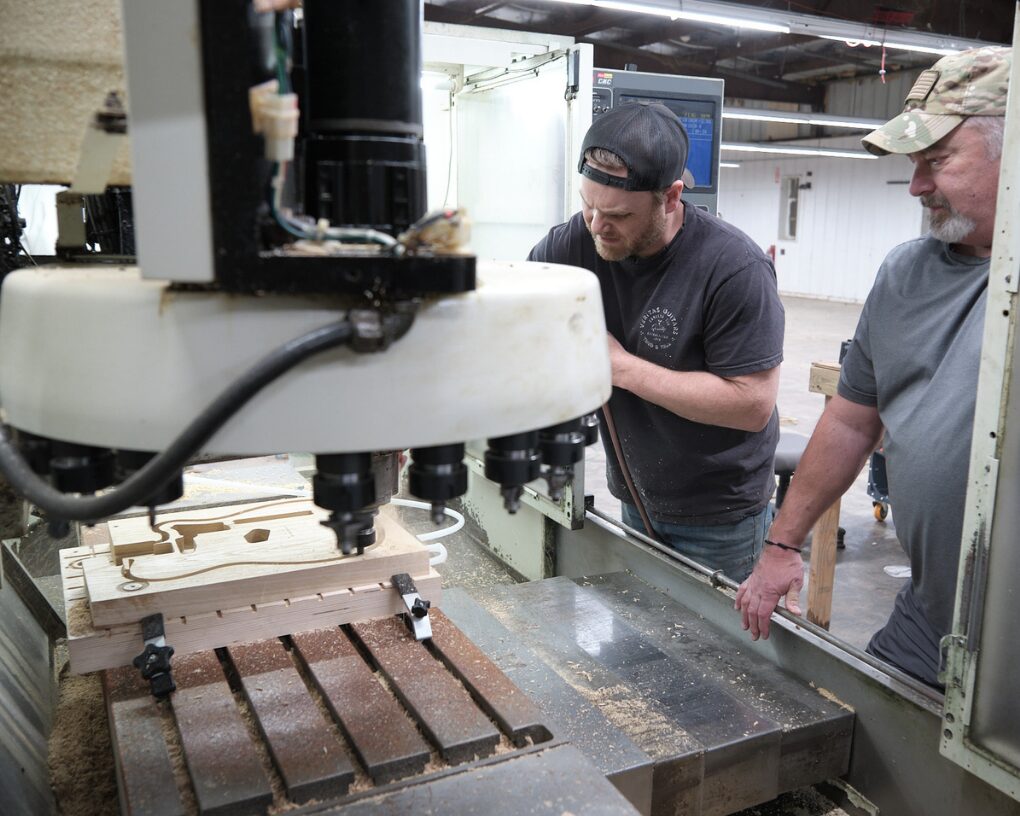
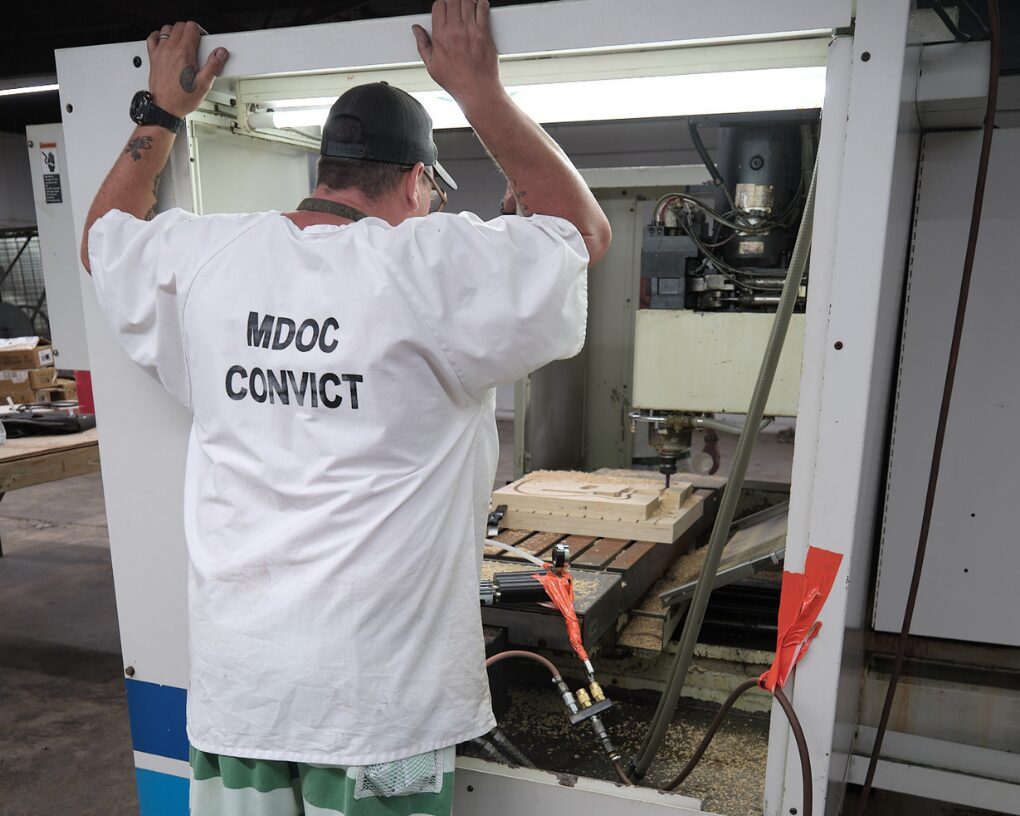
We also visited a new guitar-building workshop on the premises where a luthier has set up CNC machines capable of producing up to 5,000 electric guitar bodies a year, potentially for companies like Fender and Gretsch. The operation will be run by incarcerated workers, who will gain highly transferable skills for life after release.
Parchman is no longer the symbol of brutality it once was. It is becoming a place where music, faith, work, and community can be tools of transformation.
The men of the Parchman Band are living proof of what can happen when people are offered purpose and dignity. As Charles Glassco told me, “Parchman saved my life.” I am grateful to be part of their story — and to witness redemption not as an abstract idea, but as something unfolding in real time.
Written by Tim Duffy, Executive Director & Co-founder
Get involved
& give back
The Music Maker Foundation is a 501(c)(3) nonprofit organization that depends on thousands of supporters. Together, we work to meet the day-to-day needs of the artists who create traditional American music, ensure their voices are heard, and give all people access to our nation’s hidden musical treasures. Please contribute or shop our store today.