Trenton Ayers turns up the volume

Written by Cree McCree
Trenton Ayers has been hailed as part of the next generation of Hill Country blues artists, but that’s a bit of a misnomer. “As far as I’m concerned, I can just be labeled as me,” Ayers says via Zoom, when I reach him at his home in Holly Springs, MS. “Because there are players from our area who are much younger than I am. I’m in my early 40s.”
With his trademark silver-studded pigtail dangling down from his black head cap, he actually looks much younger, I note. “Thank you ma’am,” he replies with a laugh. “I try to keep myself up.”
Ayers cut his teeth as a musician as a young boy. “Between my mom and my father, my brothers and sisters and uncles and aunties, music was everywhere,” he recalls. “My brother, he’s like the prince of the family, and I used to go through all his DJ tapes in his room. Then I’d go see my uncles, who might be listening to Blood, Sweat and Tears, because my family’s very diverse. I get my fashion style from my uncle James, who was hip to Sly and the Family Stone.”
But despite his rich musical heritage, Ayers remained virtually unknown. That’s when Music Maker producer Jimbo Mathus stepped in to help give him a boost. “He grew up pretty hard in the Hill Country blues scene,” Mathus said via Zoom, speaking from Taylor, MS. “So I really wanted to give him a shot with a good organization. I brought him to Music Maker to help him create a great record that he could base a career on.”
That record is Taking it to the Mountain, scheduled to be released on the Music Maker label September 4. During a lively conversation, we discussed the evolution of the album; his close friendships with Hill Country elders like Jessie May Hemphill, Junior Kimbrough and Cedric Burnside; his long history as a touring musician; his stint working at a 17,000-acre elk ranch; and his battle with the bottle (spoiler alert: he won).
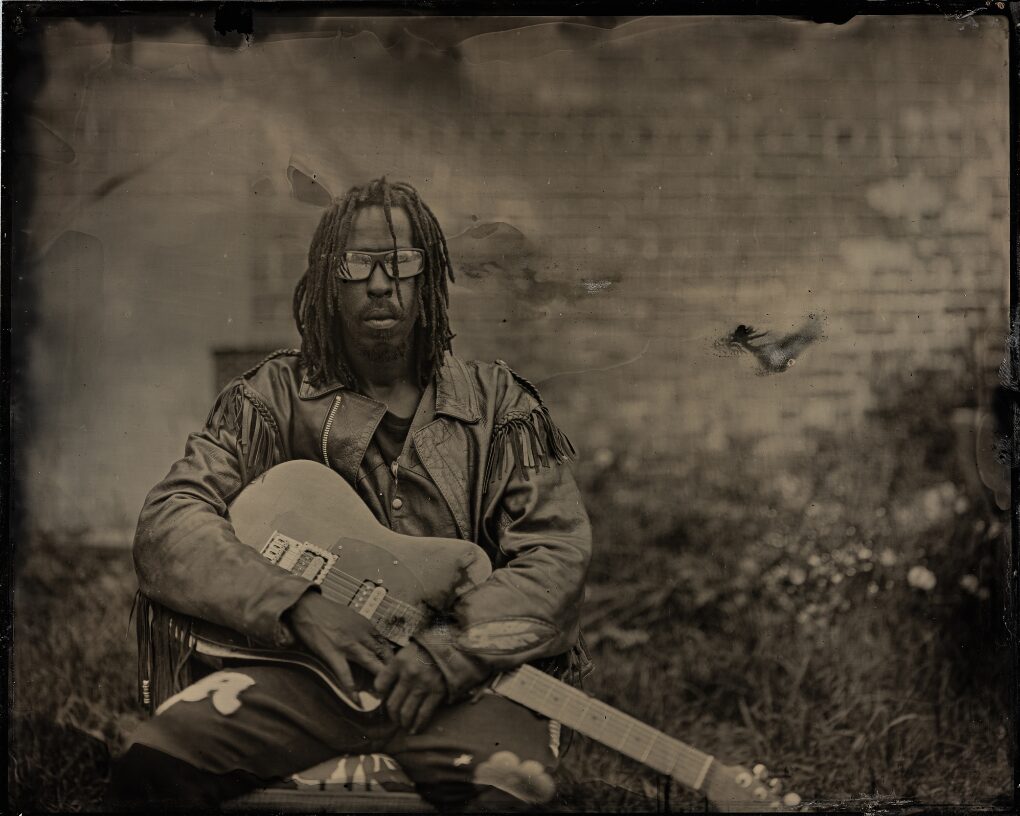
Our conversation, edited for length and clarity, follows below.
Cree McCree: In the early 1990s, Spin magazine sent me down from New York City to do a whole story about the Hill Country Blues. I got to meet Cedric Burnside’s father, RL Burnside, and Junior Kimbrough and the great Jessie Mae Hemphill. Did you know her?
Trenton Ayers: Yes, ma’am. Jessie Mae had her own authentic way of playing the blues too, she had a real specific style. When Junior had the club she used to come over and play in the club. And she threw a lot of great hill country picnics. But my roots go much farther back than that.
I had a grandfather on my mom’s side that used to play the fiddle or the violin, depending on what you want to call it, in the fields. And they used to come pick him up and take him all over the south and all through the north. So he used to be a touring musician as well. It’s in my blood.
CM: I listened to the new album several times and boy, you really scorched. The first cut on the album, “Blues So Bad,” really sets the tone: “It hurts my feet to walk/It hurts my tongue to talk.” What a great way of expressing it.
TA: When I heard the lyric. I was like, yeah, we can use that. I can put my own little pizazz on it, my little spin of delivery on it, and there you go.
CM: How did you come up with the concept of Taking it to the Mountain?
TA: [Producer] Jimbo Mathus sent it to me. Jimbo was sending me all these songs and when I heard that one, I was like, yeah. “Taking it to the Mountain” is, to me, more of a gospel song.
CM: It’s very anthemic. Where did you record the album?
Use the next/previous buttons to view a series of images and captions.
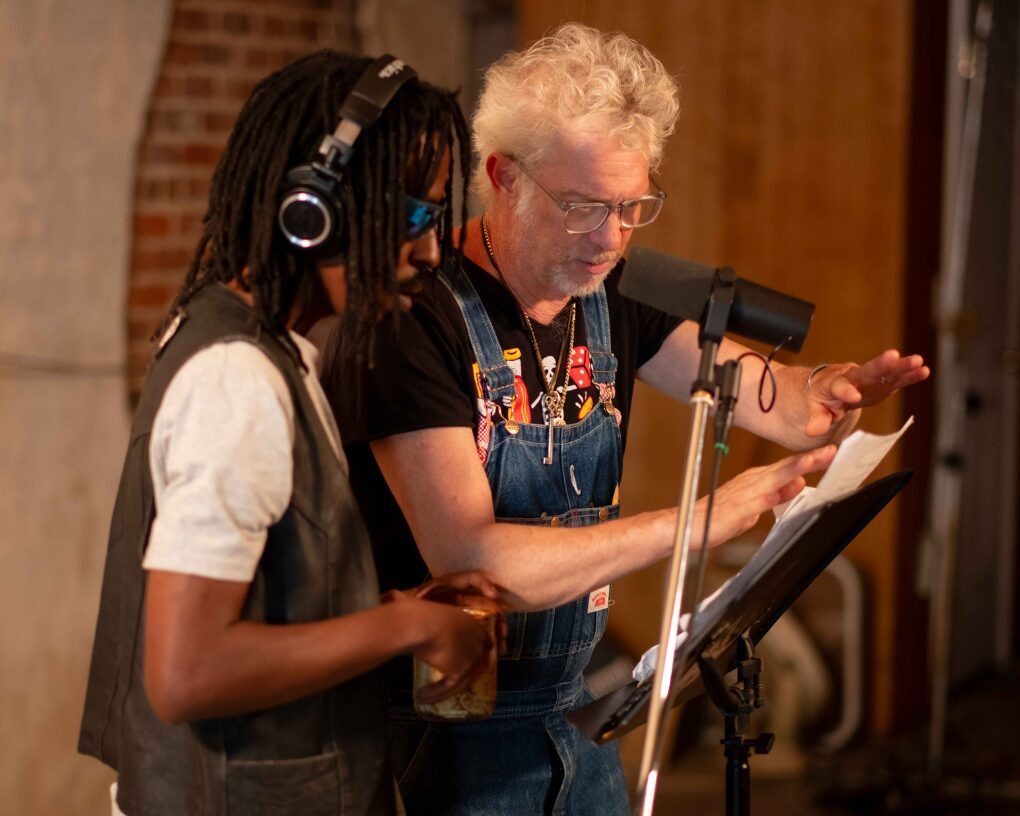
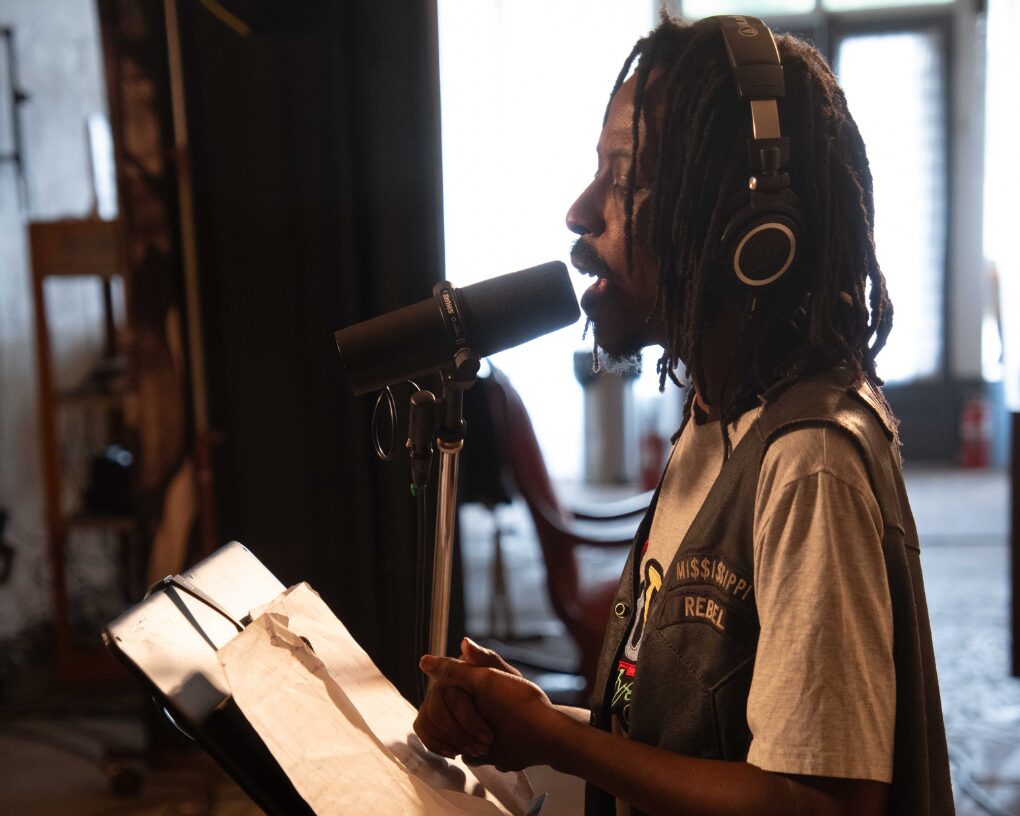
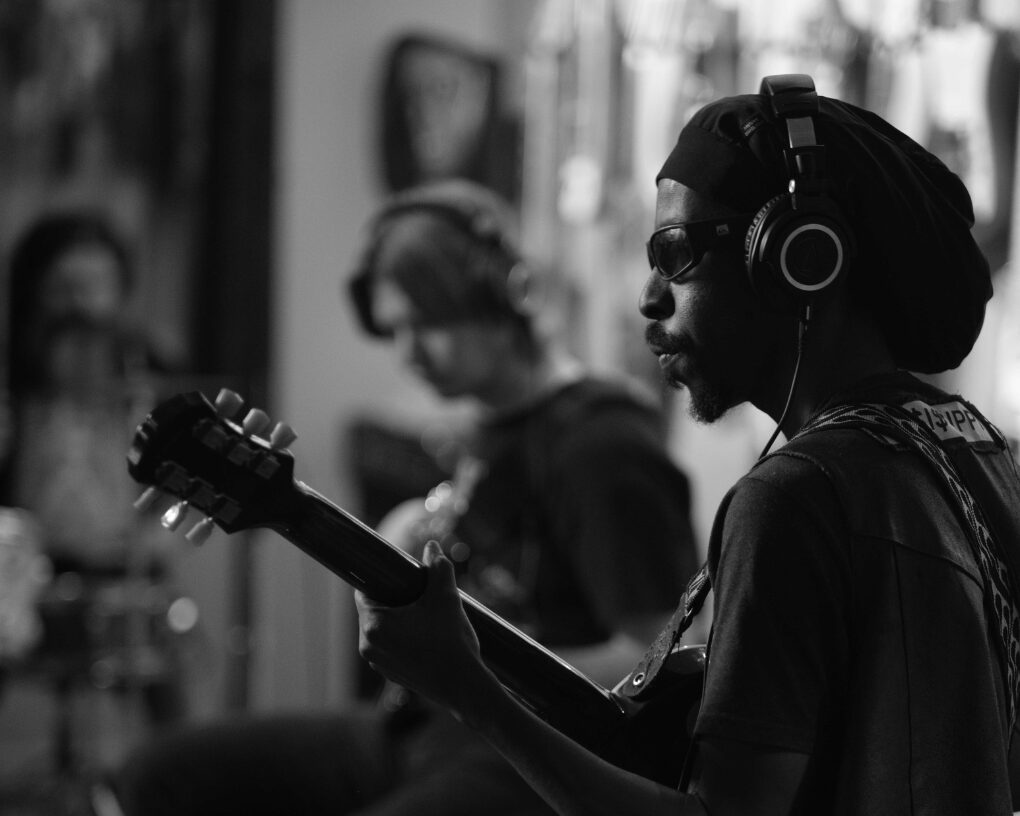
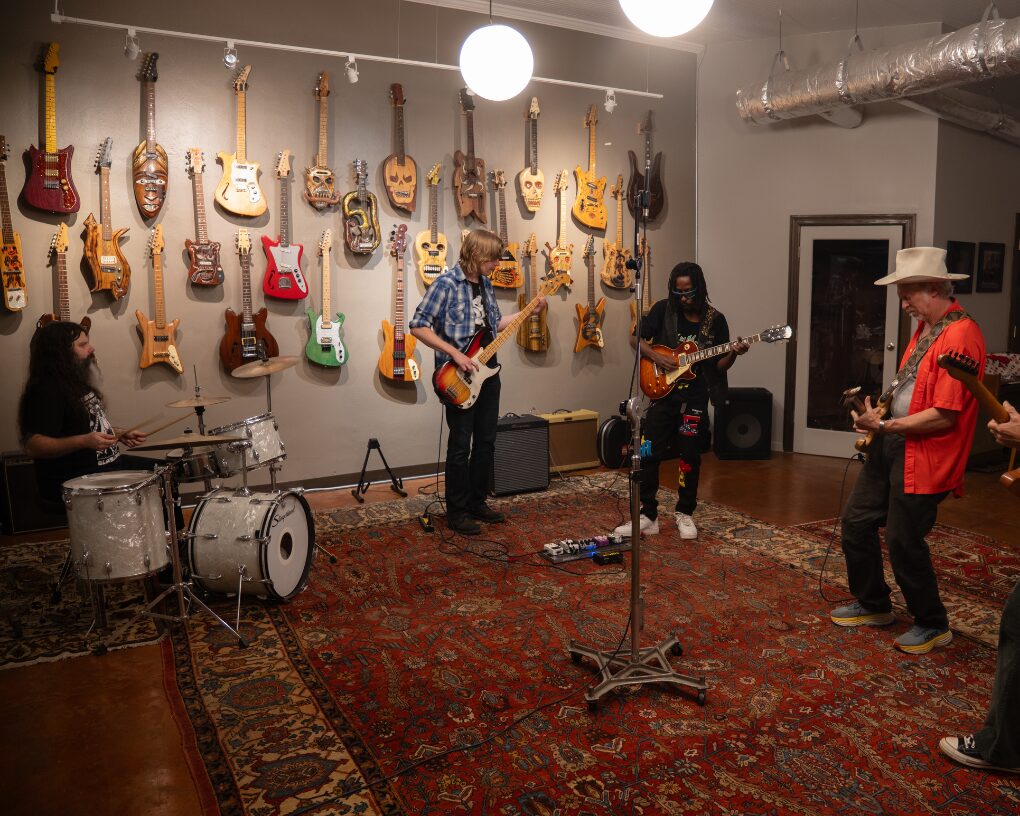
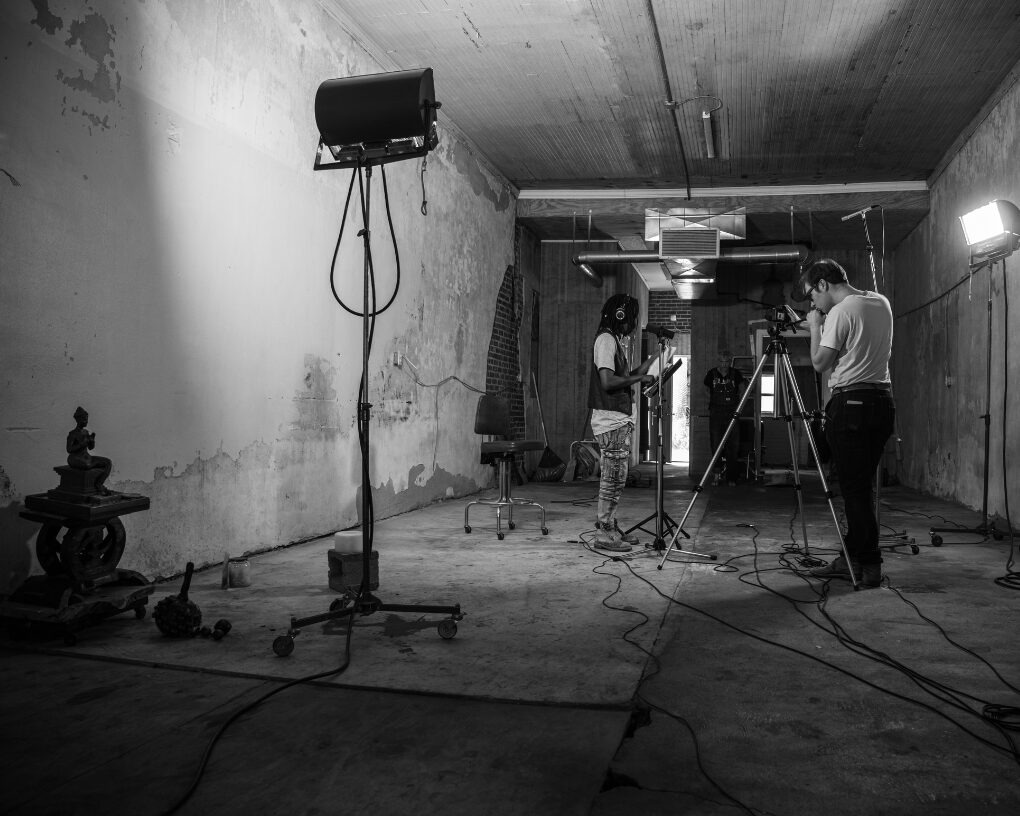
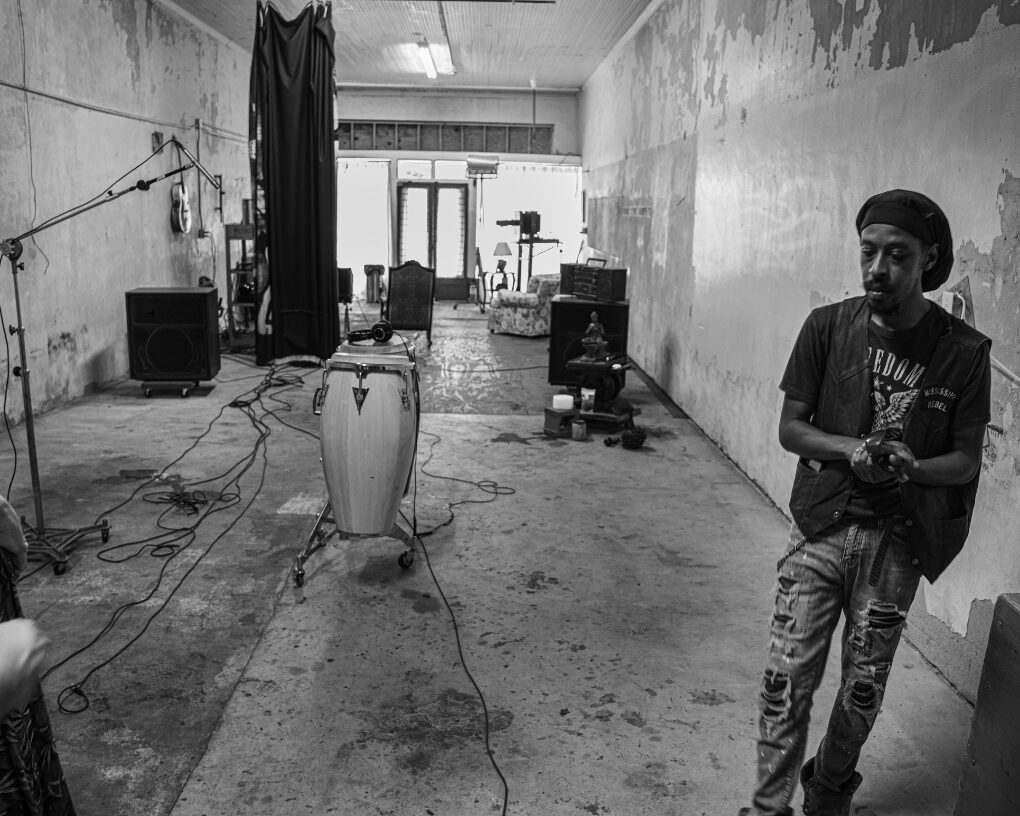
TA: We first started working on it at Zebra Ranch, Jim Dickinson’s old studio in Coldwater Springs. But we actually recorded it at Music Maker’s studio in Fountain, NC. It’s got a lot of reverb, which Jimbo and Tim Duffy started calling “Freeverb,” because it’s in Freeman Vines’ old studio. I played a few of Freeman’s handmade guitars, but made a mental note to play more when I go back. Definitely the one with the skull and crossbones.
CM: You’ve done a lot of touring over the years, throughout Europe and the states, both with your own band and with the Cedric Burnside project.
TA: I’ve got pictures with Gary Clark Jr. in New Orleans, where I played the late show at DBA slot from three to five in the morning. That was back in my younger years, but I’d probably still do it today. It would be easier now that I don’t drink.
CM: Was it, was it hard to stop drinking?
TA: No, it wasn’t hard at all. I just stopped overnight [laughs]. I was working at a 17,000-acre elk ranch in New Mexico, where we had a party I performed at. I took two big shots of some high end tequila, smoked some good weed and drank more tequila, and woo boy, I was tipsy. I tried to play my guitar but I was too wasted.
My partner Jesse walked me to my room and I felt like I fell from about 117,000 feet all the way back to Planet Earth when my body hit the bed. When I woke up I was like, oh my god, and I never had another drink from that day forward [laughs].
CM: Is there anything else that you would like people to know about this album that you would like to include in this article?
TA: I’m already looking forward to my next album, which is still a Hill Country blues album but with more of an R&B flavor. It comes full circle back to me and my heritage.
Taking It to the Mountain arrives Friday, September 4, 2026 from Music Maker Foundation.
Get involved
& give back
The Music Maker Foundation is a 501(c)(3) nonprofit organization that depends on thousands of supporters. Together, we work to meet the day-to-day needs of the artists who create traditional American music, ensure their voices are heard, and give all people access to our nation’s hidden musical treasures. Please contribute or shop our store today.