The Parchman Band
BluesRooted in the Mississippi Delta and Parchman’s rich musical history, the members of the newly-revived Parchman Band demonstrate that redemption is possible for anyone who wants to turn their life around.
Written by Houston Jones.
A Rich musical History
Mississippi State Penitentiary (better known as Parchman Farm or, simply, Parchman) is rooted in a rich musical history. The Mississippi Delta is the undisputed birthplace of the blues – and in the heart of the Delta lies Parchman.
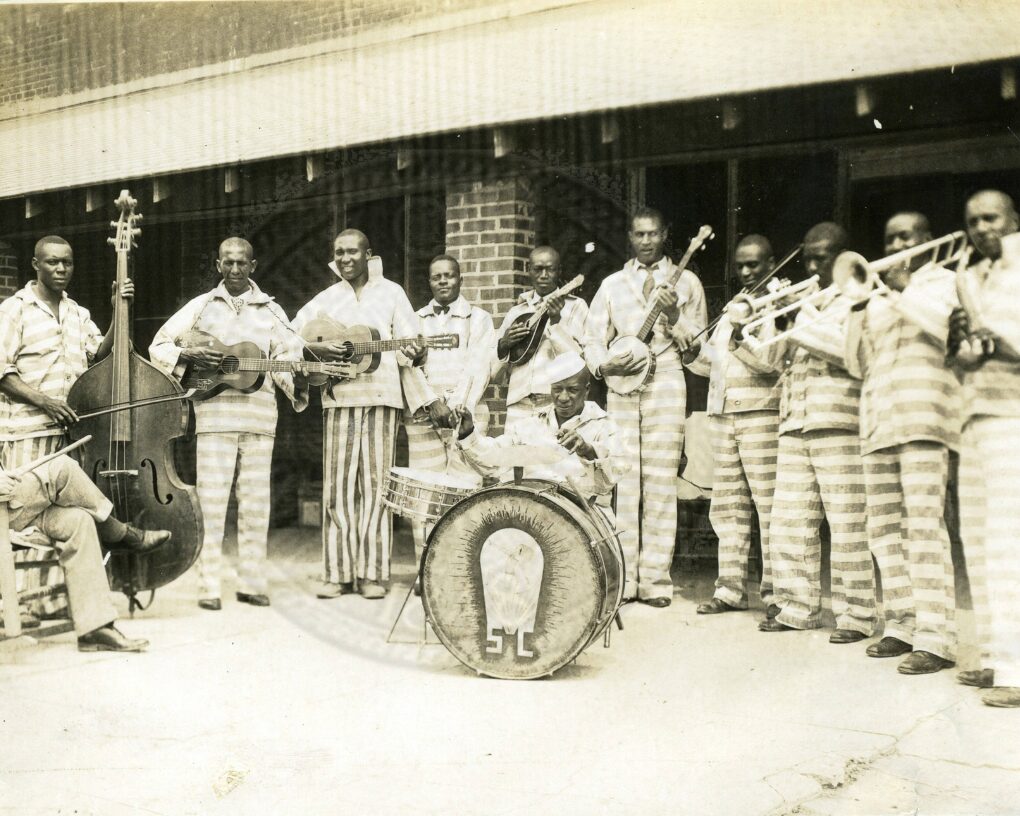
Opened in 1901, Parchman was a desolate and unforgiving place of incarceration. Through adversity and hardship, Parchman’s inmates found comfort in music. Photographic documentation shows that the prison had a formal music group as far back as 1930.
In 1933, John Avery Lomax and his son Alan made the first of many visits to Parchman with the mission of documenting music on the farm. Alan returned in 1947 to record the inmates singing as they labored in the fields. The laborers would sustain themselves with haunting melodies, often keeping time with whatever field implements they were working with. Alan would later write that their music “testified to the love of truth and beauty which is a universal human trait.” The Lomax Recordings, which were made periodically from 1933 through 1959, currently reside in the Library of Congress.
Several prominent Delta Blues musicians spent time incarcerated at Parchman. Bukka White, who recorded “Parchman Farm Blues,” took inspiration from his time there that was reflected in his music. Son House, another significant bluesman, spent time at Parchman for murder. David Kimbrough, Jr. also did time on the farm, during which he participated in the inmate band. So too did Mark “Muleman” Massey, who credits his career’s success to his time with the Parchman Band.
A more modern band was established in 1952 and grew through the decades from there. Always adapting to the changing times, the band performed and recorded chart-topping tunes. Vinyl recordings still exist from the band’s time at Malaco Records in Jackson, MS. Through the 1960s, two different recording groups were active at Parchman: an all-white group called the Insiders who performed mostly country and western, and an all African-American band known as the Stardusters who performed soul and R&B.
From 1960 through the mid-1990s, the band was led by Wendell Cannon. Cannon, who was raised in a musical family and had minor regional musical success, was appointed to the band leader’s position by Mississippi’s newly-elected governor Ross Barnett. Then-superintendent Fred Jones saw the need for change and, shortly before Cannon’s appointment as bandleader, officially launched a formal band program as an initiative for change and self-betterment.
The band became integrated in the early 1970s, and was a co-ed group through the mid-1980s. (Parchman housed women until 1986.) Although there is no evidence that there were ever any female instrumentalists in the group, women performed with them as lead and backing vocalists.
The Parchman Band was widely celebrated throughout the state, playing at schools, community events, and legislative gatherings. According to an annual report from 1986, the Parchman Band performed 48 off-grounds shows for public audiences. The band was a staple at the annual Parchman Rodeo and was a highly sought-after music group.
In the mid-1990s, after more than 30 years of being the dedicated band for Parchman, the group was disbanded.
Revival
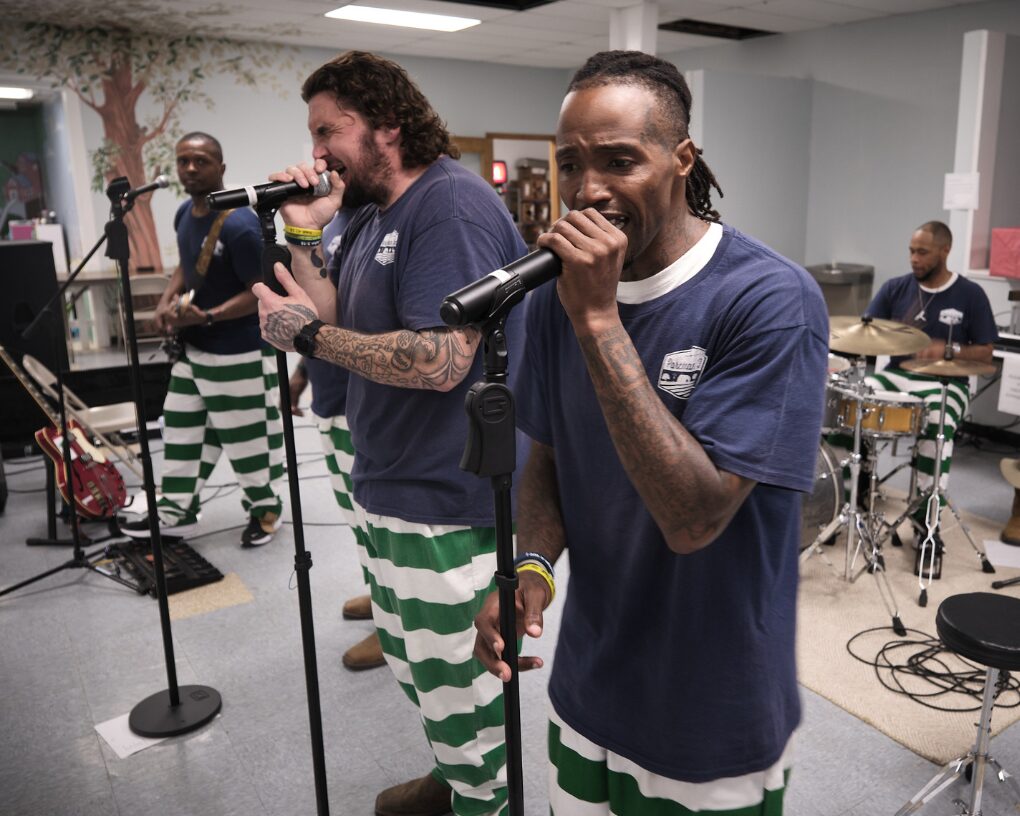
When Commissioner Burl Cain assumed office in 2020, music was a part of his vision for the Mississippi Department of Corrections (MDOC) – and in 2023, Parchman superintendent Marc McClure encouraged the revival of the prison’s once-legendary band.
The first round of auditions were held in September 2023, and the newly re-formed group performed its first show for their fellow inmates in November 2023. Another round of auditions were held in January 2024. Finally, in April 2024, the revived Parchman Band left Parchman grounds for the first time in three decades to play at the Marshall County Correctional Facility.
The band has a rotating facility schedule which allows them to play for every housing unit at Parchman on a regular basis. They also travel throughout the state to other MDOC facilities, bringing the music, showmanship, and history that the Parchman Band is known for.
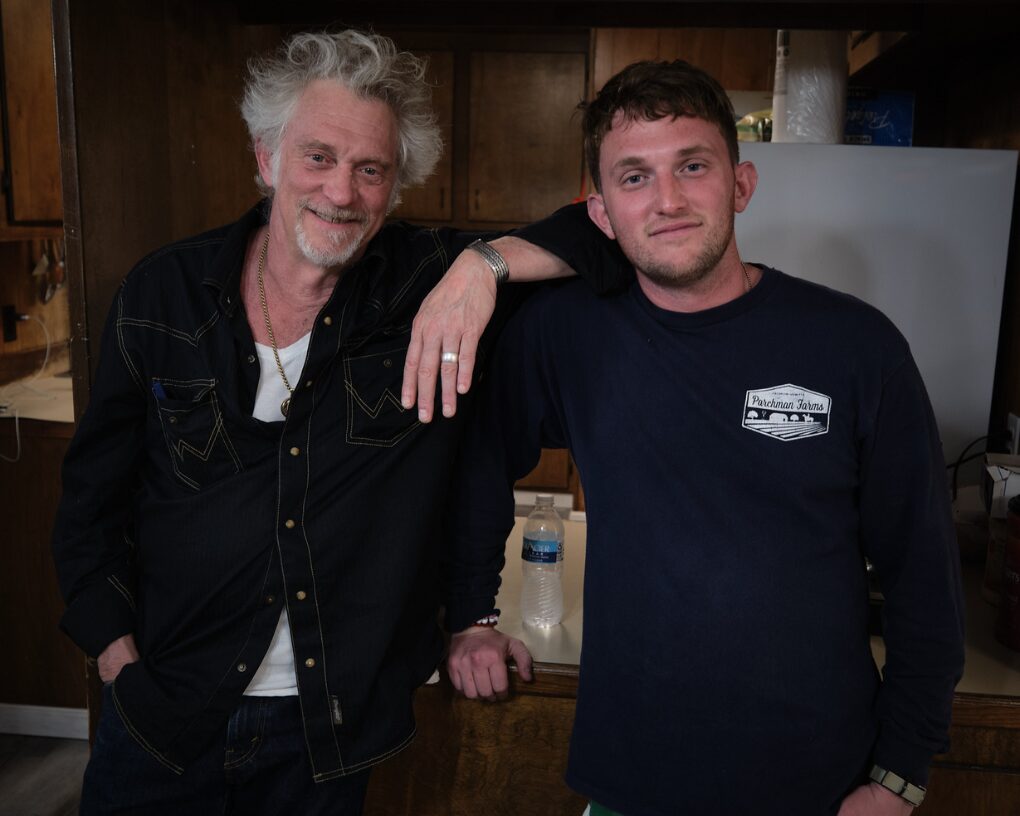
In April 2025, the new band played their first public performance to a standing-room-only crowd at the BB King Museum in Indianola, MS. They went on to perform six public shows in 2025, and recorded their debut studio album in March 2026. Produced by the legendary Jimbo Mathus in coordination with Music Maker Foundation, the album’s tracks are entirely original material written by the bandmembers themselves. The band has bookings scheduled through the rest of 2026, including a live appearance on the nationally syndicated radio program Thacker Mountain.
Use the next/previous buttons to view a series of images and captions.

The Power of change
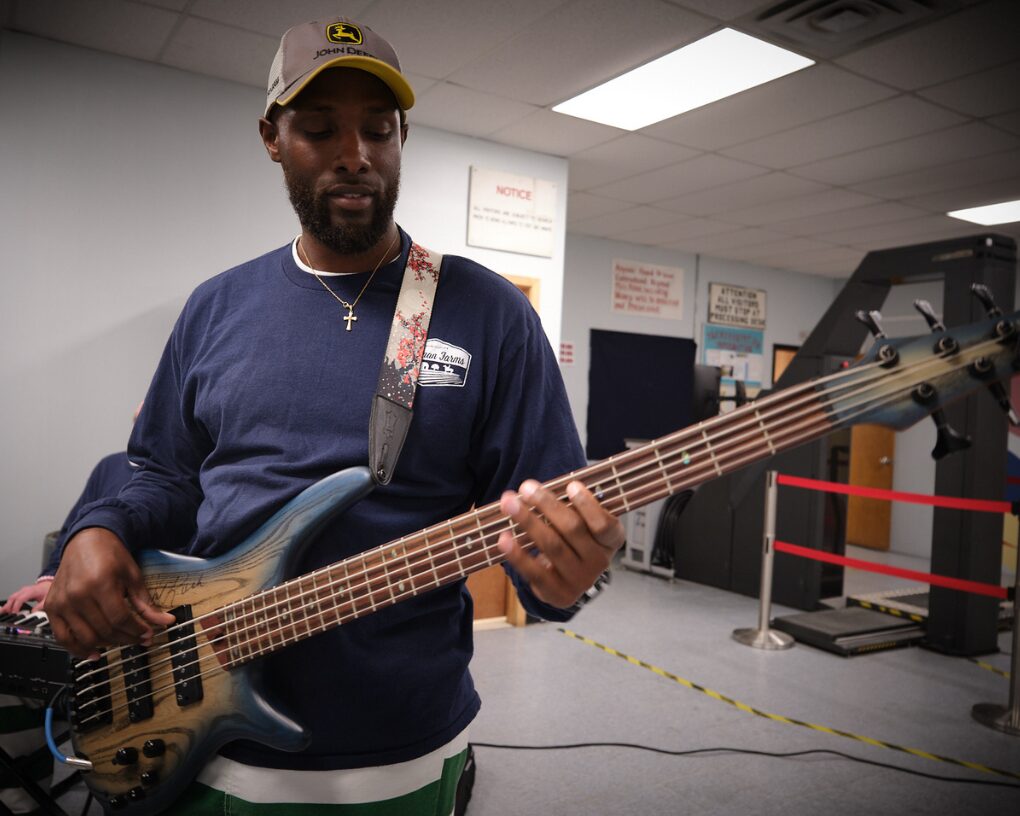
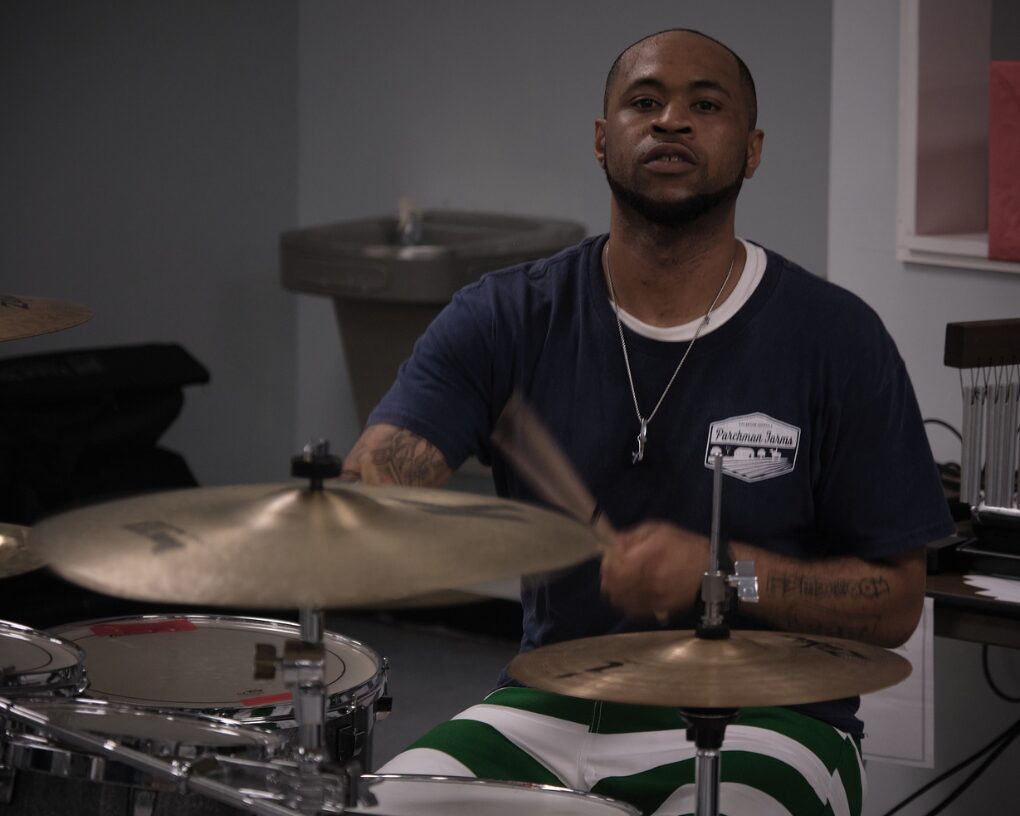
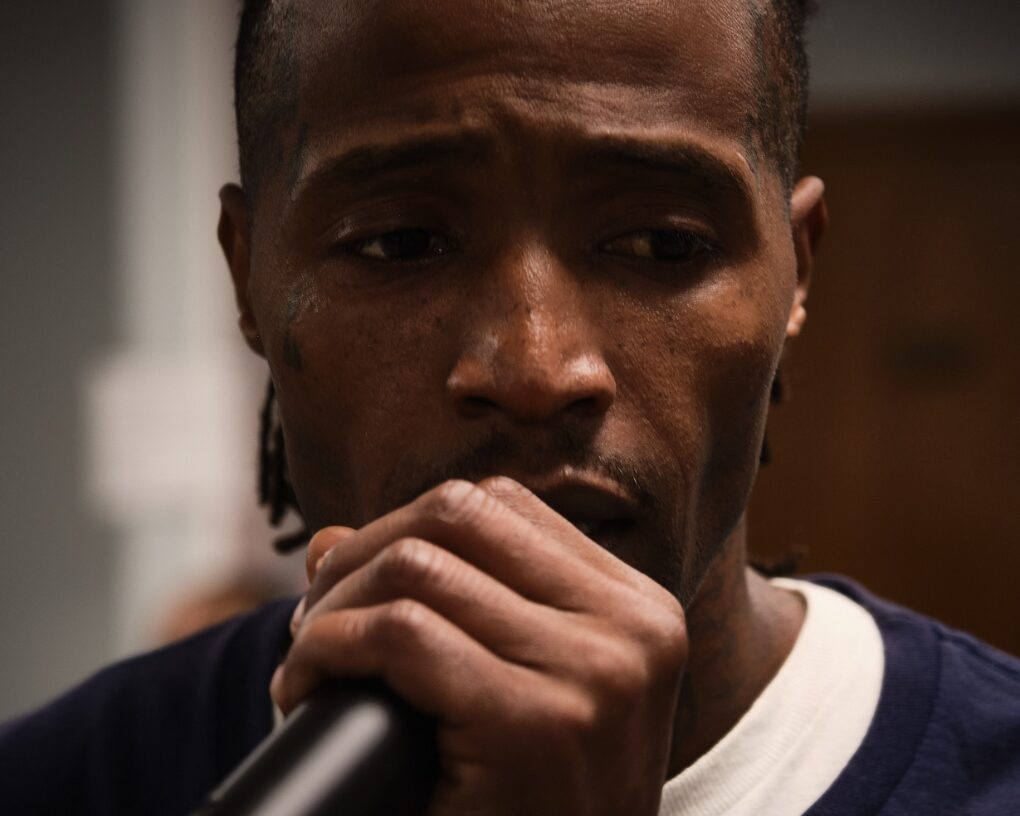
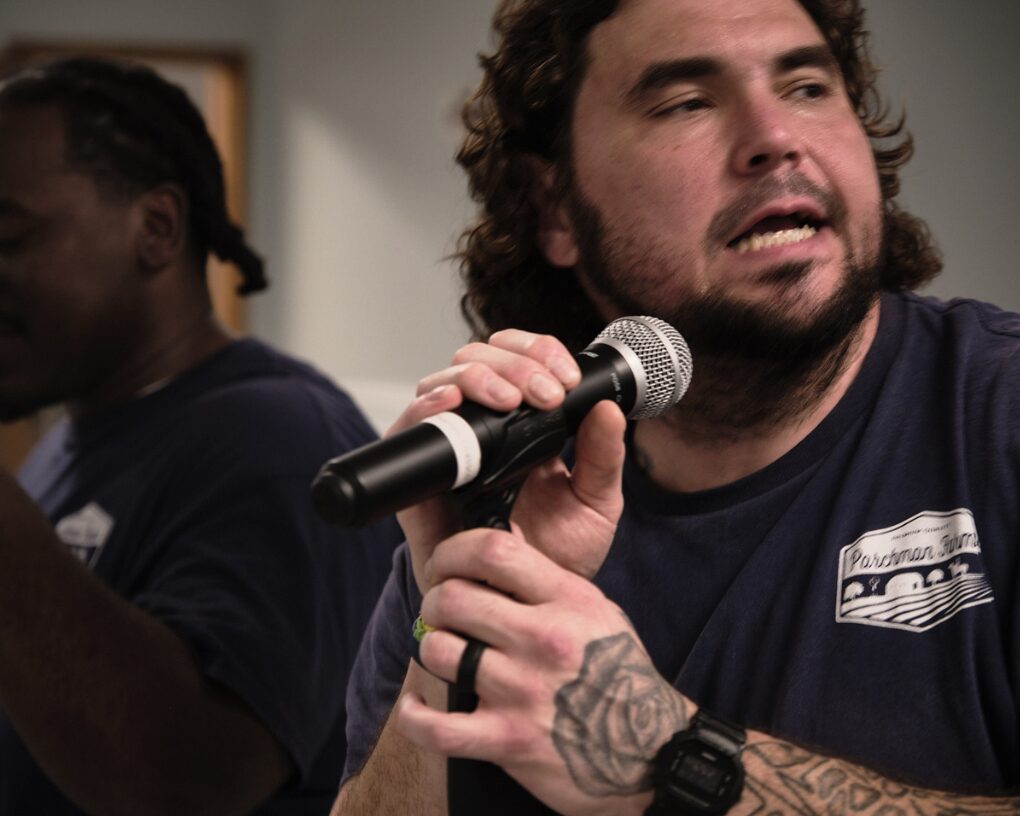
Currently, the Parchman Band is made up of four instrumentalists and three vocalists: Houston Jones (keys/lead guitar), LJ Stevenson (bass/vocals), Lee Smith (lead guitar/vocals), Jakellsey Hollis (drums), Michael Snell (vocals), Charles Glassco (vocals), and Stephen Chambers (vocals).
The band’s mission is to show the positive changes that have been made at Parchman and throughout MDOC. Their members wish to demonstrate that sincere change, and even redemption, is possible for anyone who wants to turn their life around. Members aim to share with others the gifts that they have been given while serving as an inspiration to other inmates. Leading by example, they act as demonstrators of good behavior and morality, showing the population of Parchman the possibilities, and power, of change.
“The revival of this once-legendary group has been an avenue for us to do something positive for our peers, for MDOC, and most importantly for Parchman and its inmates,” the band members recently said in a public statement. “We are blessed to be able to use the talents that we have in such an impactful way. We have watched each other grow, and have grown as a family. Thanks go out to all the staff supporters, our peers, and to you. We couldn’t do this without you!”
Shop Music Maker
The Music Maker Foundation sells recordings of our partner artists’ music both through our own shop and through Bandcamp. The books we publish are available in the Music Maker Shop.
Get involved
& give back
The Music Maker Foundation is a 501(c)(3) nonprofit organization that depends on thousands of supporters. Together, we work to meet the day-to-day needs of the artists who create traditional American music, ensure their voices are heard, and give all people access to our nation’s hidden musical treasures. Please contribute or shop our store today.