Kelley Breiding takes flight as solo artist in “Nightingale”
Written by Grayson Haver Currin
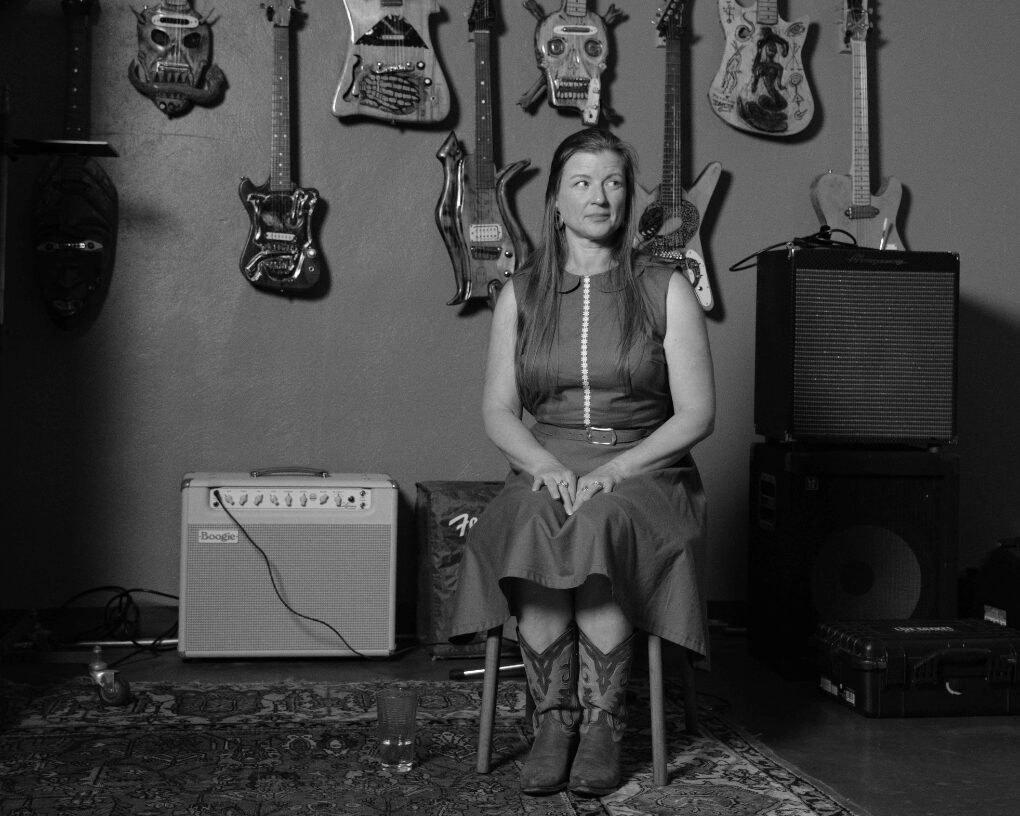
Kelley Breiding did not intend to make a solo record, the one she now calls Nightingale. She had been, after all, very busy. By the fall of 2024, she had led her rambunctious rockabilly band Kelley and the Cowboys for 20 years. There were her tenures in the old-time act Crooked Road Ramblers, the exquisite acoustic trio Spencer Branch, and her hosting duties for the traveling Blue Ridge Opry.
But in early 2025, Music Maker founder Tim Duffy called Breiding with a curious idea: Jimbo Mathus had been taken by Breiding’s classic country tone at Music Maker’s thirtieth-anniversary fête months earlier and wanted to produce her first record as, simply, Kelley Breiding. Was she interested?
“The way he presented it,” says Breiding, 47, from her home in Ashe County, North Carolina, “was very much, ‘Do you want to make some art?’ And that’s the whole point, isn’t it? To make something great.”
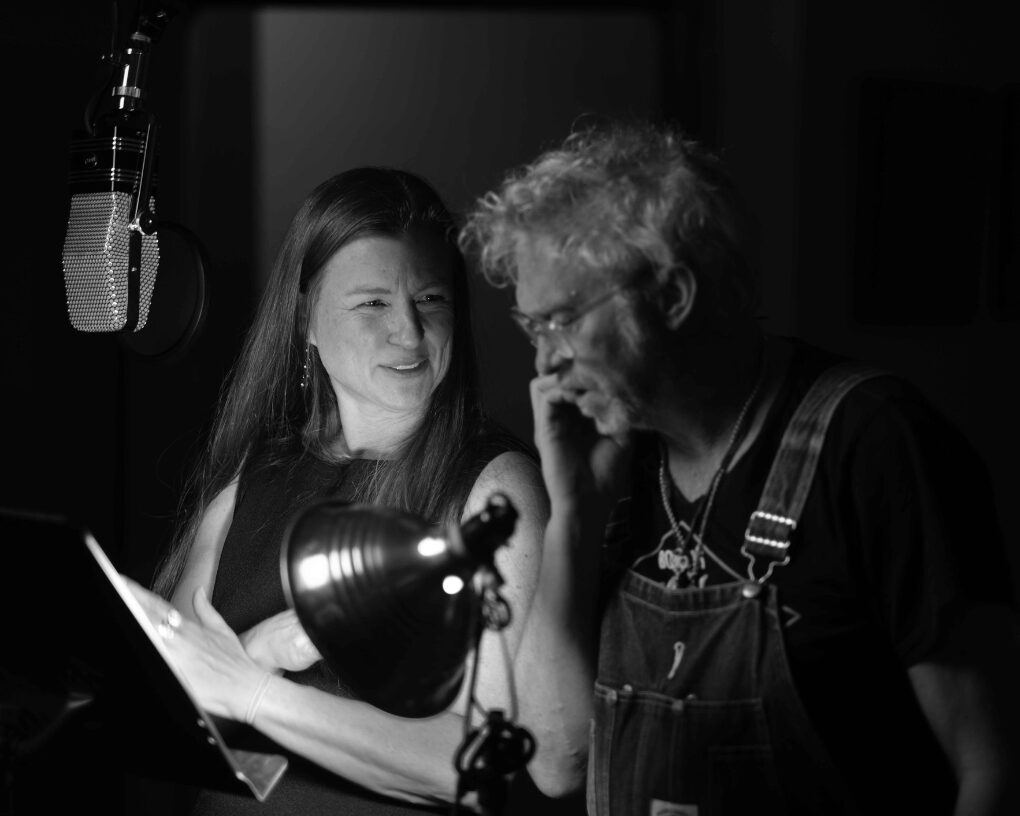
For the next two months, as spring broke across the South, Mathus and Breiding engaged in a long-distance song-swap. He’d send her demos of tunes he’d purposefully left on the shelf and voice notes of new ideas that might suit her personality, while she dispatched songs of her own. They’d never really met, and Breiding avoided learning too much about Mathus’ résumé—the Squirrel Nut Zippers hits, the Elvis Costello and Andrew Bird collaborations, all the records he’d produced—so that they might work on the same level.
“I let him be whoever he was presenting himself to be, rather than get too carried away with his accomplishments,” she remembers. “I just wanted to work with this person.”
In May 2025, Breiding drove the four hours east across North Carolina to convene with Mathus and the crack county band he’d built in Music Maker’s Fountain studio. Breiding was wowed by how well it all worked, how efficiently Mathus moved with players like guitarist Scott “Paco” Goolsby, pedal steel ace Nathan Golub, and multi-instrumentalist Kirk Russell. She sounded mighty but funny on the get-lost anthem of her own, “Quit Calling My Husband,” and perfectly defiant on “Party Hat,” a defeated number about being used and one of the first tunes Mathus had supplied. She felt empowered by the session, even liberated.
“Coming out of it, I felt like maybe I threw off a cloak I didn’t know I had on,” she says. “A lot of the things I’ve involved myself with historically involved a persona or a story. No project has been about me entirely. When I walked into Music Maker, there was no armor, no gimmick. It was just me, saying what I want to say.”
Breiding is already thinking about what comes after Nightingale. She has been writing songs about the sessions themselves, singing them in gigs during the last year. And she and Mathus already have a few tunes they elected not to use this time, potential fodder for the next round. She is grateful that it took nearly five decades for her to make her first solo record.
“I’m not worried about the time. Things of quality don’t fear time, right?” Breiding asks. “With all the richness of experience, this is the moment for me to have things to say.”
Nightingale arrives Friday, July 10 from Music Maker Foundation.

Get involved
& give back
The Music Maker Foundation is a 501(c)(3) nonprofit organization that depends on thousands of supporters. Together, we work to meet the day-to-day needs of the artists who create traditional American music, ensure their voices are heard, and give all people access to our nation’s hidden musical treasures. Please contribute or shop our store today.